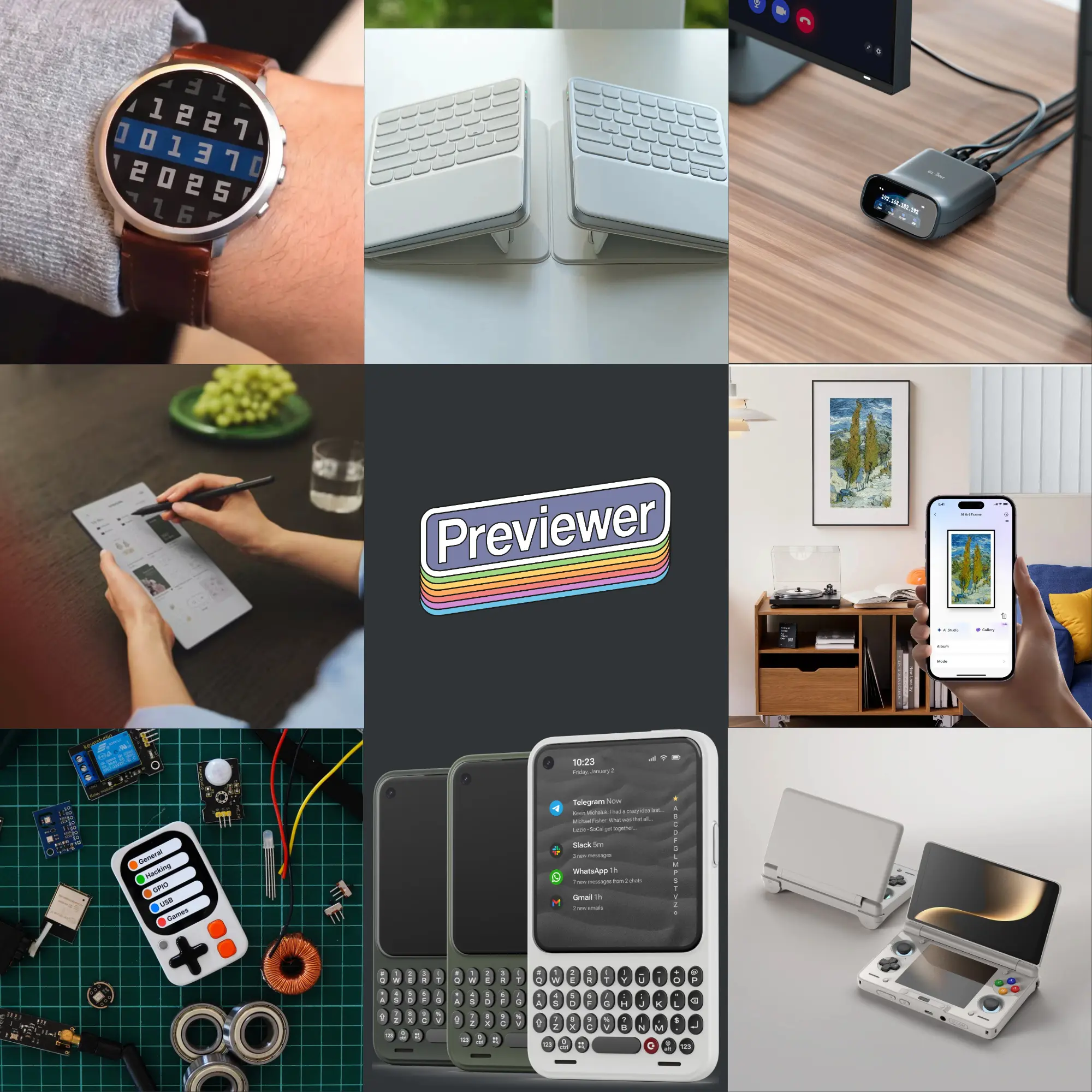
The Round 2 features a 1.3 inch color e-paper display that is always on, four physical buttons that let you control everything without glancing down, and a battery that lasts up to two weeks. At just 8.1mm thin, it wears more like a classic watch than a tech gadget. It runs PebbleOS, which is fully open source, and already has over 15,000 apps and watch faces available. There are dual microphones for voice input and AI assistant interaction, step and sleep tracking, and water resistance to 30 meters. It doesn't try to be a fitness tracker, a phone replacement, or a medical device. It just tries to be a really great watch that happens to be smart.
Price: $199 Â |Â Ships: May 2026
Visit Pebble
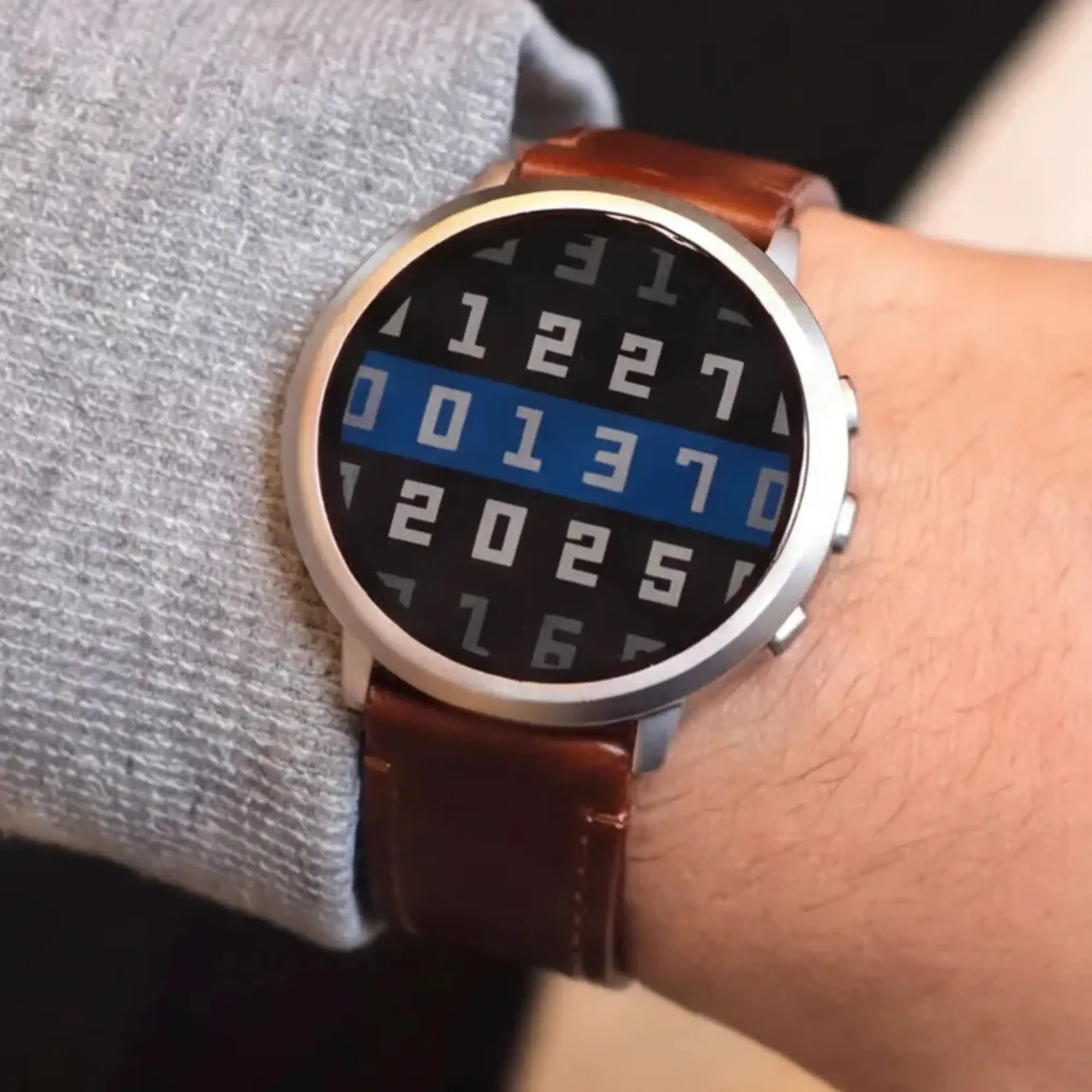
If you've spent any time searching for a split ergonomic keyboard that doesn't look like it was designed by a committee of robots, you already know the pain. Everything on the market is either too weird, too ugly, or too expensive for what you get. Ryan Peterman, a Bay Area software engineer with wrist problems from years of coding and competitive tennis, got tired of settling. So he and a small team decided to build the keyboard they wished existed.
Compose is an ultra-thin, wireless split keyboard with scissor switches, similar to what you'd find on a MacBook, wrapped in an aluminum body. It keeps a standard 75% layout so there's zero learning curve. The standout feature is the integrated tenting system: foldable legs that double as a book-style cover when closed, making it genuinely portable. No plastic bulk, no dangling wires, no proprietary nonsense. It is the "Apple of ergonomic keyboards" approach, simple enough for anyone but engineered for people who spend their entire day typing.
Price: TBD (Kickstarter coming soon)
Visit Compose
reMarkable Paper Pro Move
If you've ever been in a meeting and thought "I wish my iPad was just a piece of paper," the reMarkable Paper Pro Move is exactly what you've been waiting for. The Norwegian company has been refining the digital paper category since 2016, and this is their smallest, most portable slate yet. It's roughly the size of a reporter's notepad, thin enough to slip into a jacket pocket, and it writes with a friction and feedback that genuinely tricks your brain into thinking you're using pen on paper.
The Move features a 7.3 inch Canvas Color e-ink display with a reading light, two weeks of battery life, and handwriting-to-text conversion that can search your notes after the fact. There are no social media apps, no notifications, no distractions. It stores your notes, PDFs, and ebooks, syncs across devices, and gets out of your way. reMarkable is firmly established at this point, but the Move represents a category shift. This is the first time they've built something truly pocketable, and it might be the product that takes them mainstream.
Price: Starting at $449
Visit reMarkable
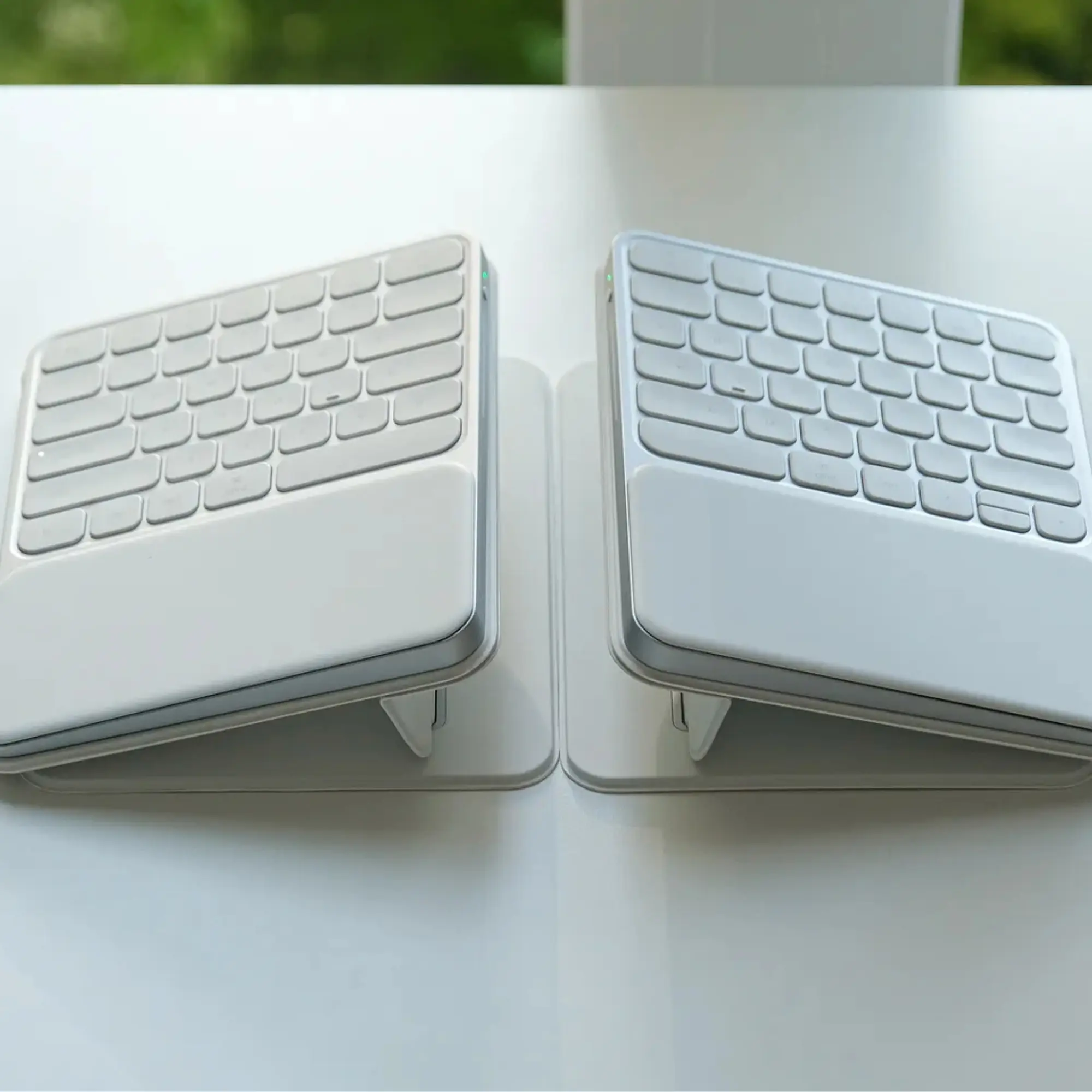
If you've ever had a server go down at 2 AM and wished you could just reach through the internet and hit the power button, the GL.iNet Comet Pro is your new best friend. It's a hardware KVM-over-IP device, which means it gives you full remote access to any computer, right down to the BIOS level, completely independent of whatever operating system is or isn't running. TeamViewer and remote desktop software can't touch a machine that's crashed or stuck at a boot screen. The Comet Pro can.
What makes this one special is the Wi-Fi 6 support, making it the first desktop KVM device with dual-band wireless connectivity. No more running ethernet cables to a closet. It features 4K at 30fps video passthrough, a built-in 2.2 inch touchscreen for quick configuration, 32GB of eMMC storage for virtual media and ISO mounting, two-way audio, and Tailscale support for secure remote access from anywhere. You can literally reboot a crashed PC, enter the BIOS, and reinstall an operating system from your phone while sitting on a beach. For $99, that's absurd value for anyone running a home server, media center, or remote workstation.
Price: $99
Visit GL.iNet
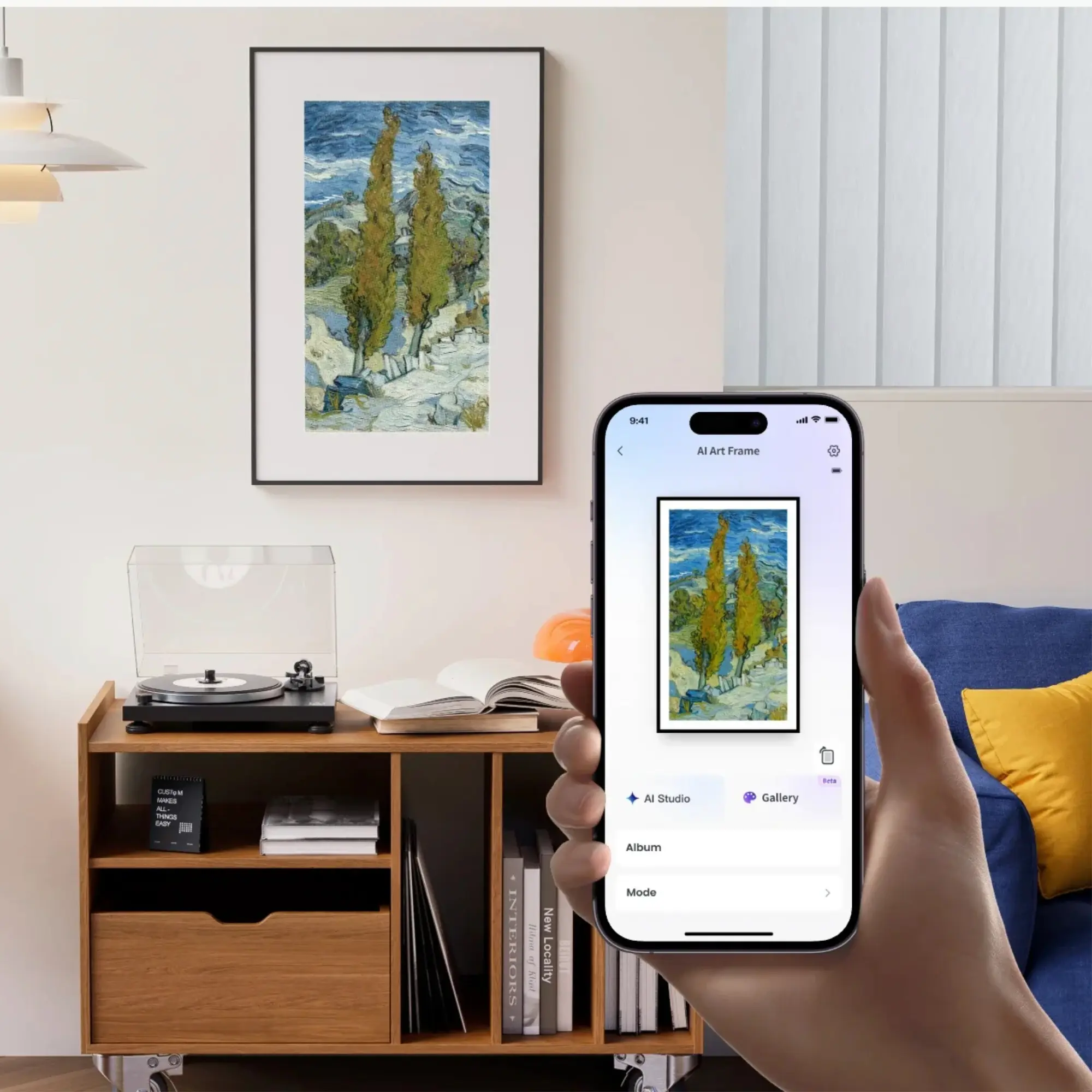
Digital photo frames have been around forever, and they've always looked like exactly what they are: a glowing LCD screen duct-taped to your wall with a power cord dangling to the nearest outlet. SwitchBot just fixed that entire category. Their AI Art Frame uses an E Ink Spectra 6 display that genuinely looks like printed art. No backlight, no glare, no glow. It reflects natural light just like a canvas painting and uses zero power between image changes.
The frame runs on a built-in 2000mAh battery that can last up to two years on a single charge if you swap images weekly. It comes in three sizes, 7.3, 13.3, and 31.5 inches, with swappable aluminum frames that are even compatible with IKEA's RĂ–DALM frames. Through the SwitchBot app, you can upload your own photos, browse a gallery of classic artwork, or use the integrated AI art generator to create custom pieces from text prompts. The AI feature runs on a subscription at $3.99 per month after a 30 day trial, which is optional. If you're a renter who can't drill into walls or run wires, or just someone who thinks traditional digital frames look tacky, this is a pretty compelling solution.
Price: Starting at $149.99 (7.3") Â |Â $349.99 (13.3") Â |Â $1,299.99 (31.5")
Visit SwitchBot
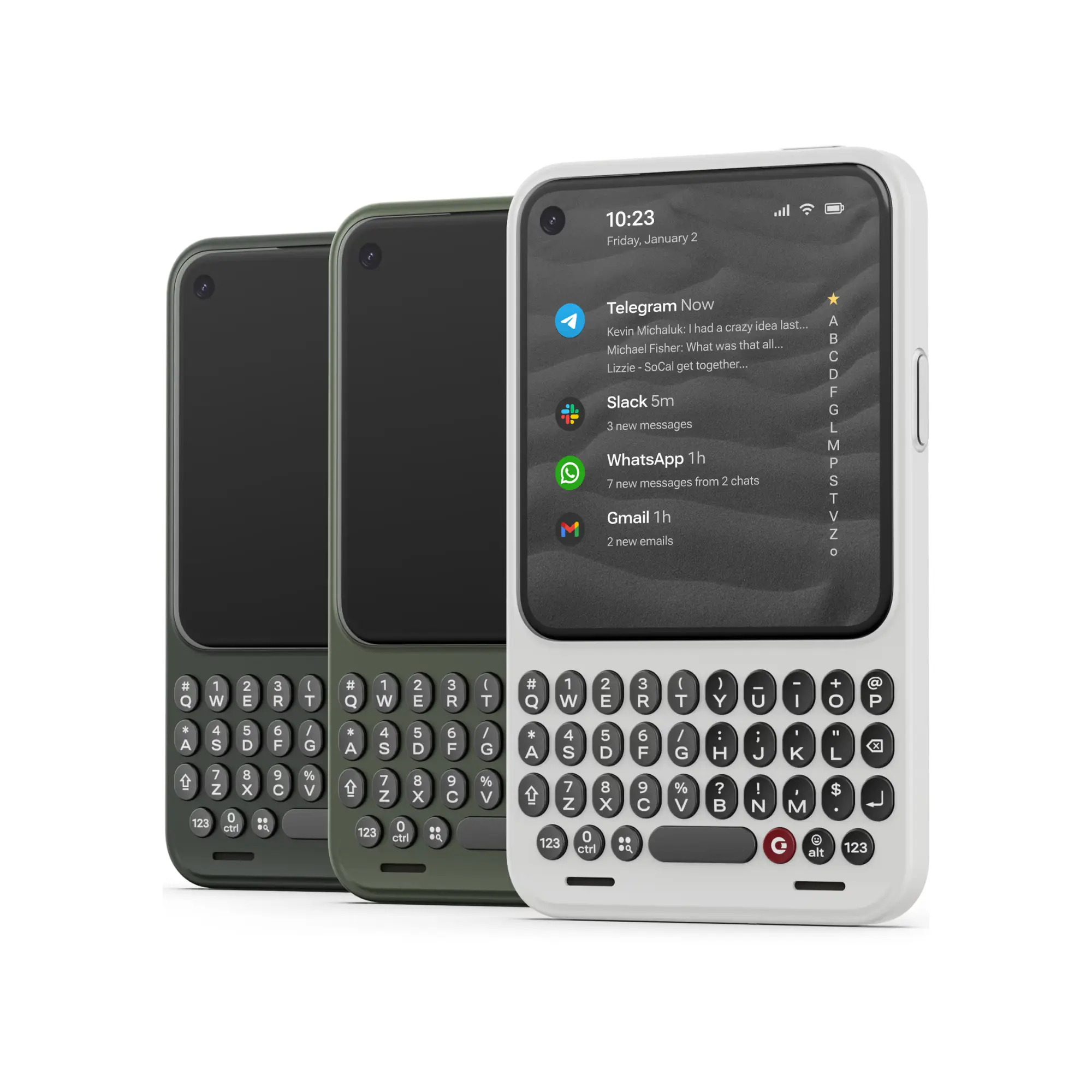
If you've been mourning BlackBerry for the last decade, your prayers have been answered, and by the company that went viral for slapping physical keyboards onto iPhones. Clicks Technology, co-founded by MrMobile himself Michael Fisher, isn't just making accessories anymore. They are making an entire phone. The Communicator is a compact Android 16 smartphone built around one mission: communication, not consumption. It's being pitched as a secondary device, but looking at the specs, plenty of people might use it as their daily driver.
Under that tactile QWERTY keyboard sits a 4.03 inch AMOLED display, a 4nm MediaTek processor, 256GB of storage with microSD expansion up to 2TB, a 50MP rear camera, a 4,000mAh battery with wireless charging, and a 3.5mm headphone jack. The keyboard itself is touch-sensitive, so you can scroll through messages without ever touching the screen. The real party trick is the "Signal LED," a customizable notification light on the side that glows different colors for different contacts or apps, so you know who's texting without even looking. Magnetic back covers let you swap the phone's look on a whim. It's unapologetically retro in the best way possible.
Price: $399 early bird  | $499 retail
Visit Clicks
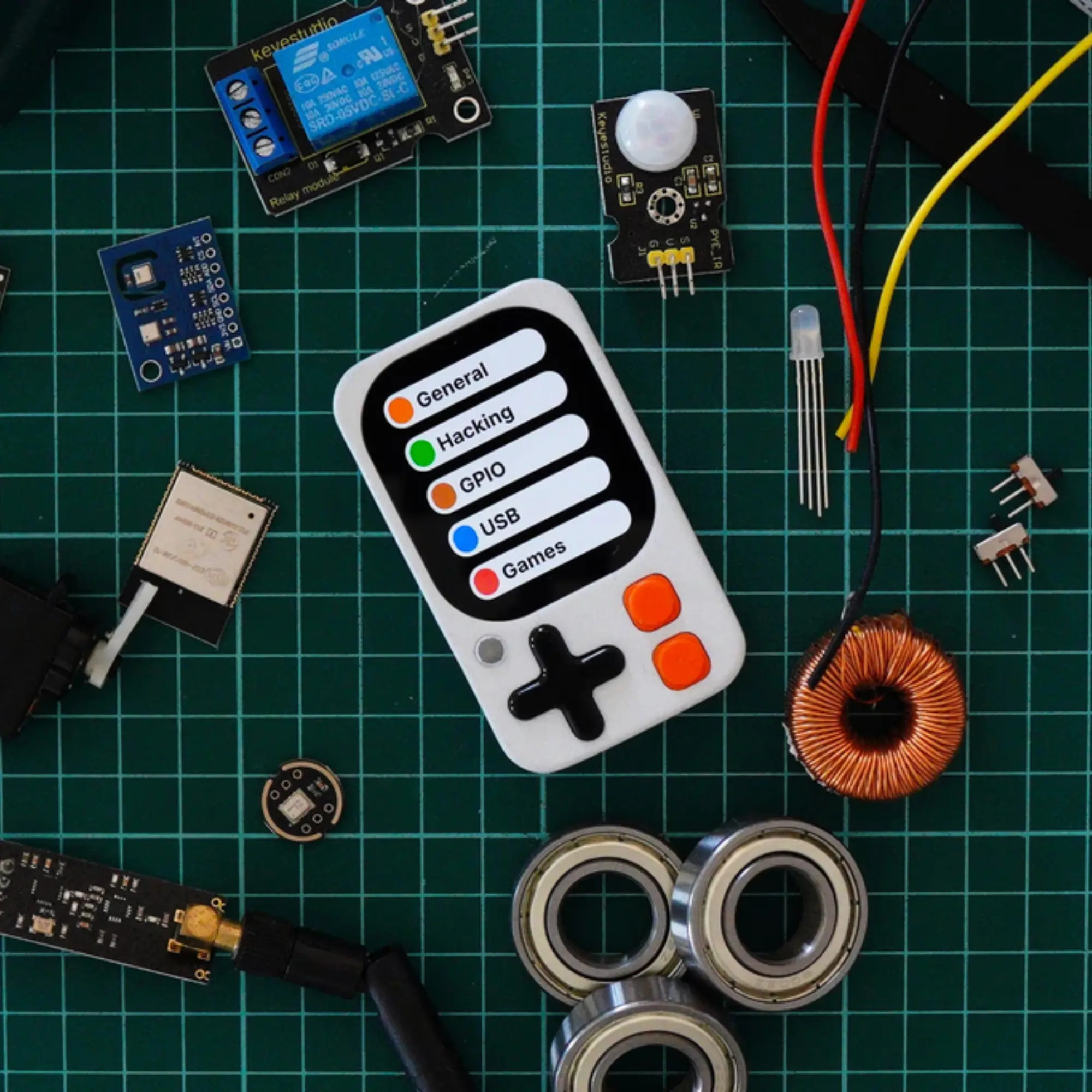
Think of the Kode Dot as a Flipper Zero that went to design school. Built by a team out of Valencia, Spain, it's a pocket-sized maker device that packs an entire electronics lab into something smaller than a deck of cards. It launched on Kickstarter asking for $5,000 and walked away with nearly $1.8 million from over 5,000 backers. Clearly, the maker community was hungry for something like this.
At its core, the Kode Dot runs on an ESP32-S3 microcontroller with a 2.13 inch AMOLED touchscreen, 9-axis motion sensors, Wi-Fi, Bluetooth, a microphone, a speaker, built-in IR and NFC/RFID, and 12 GPIO pins for connecting external hardware. The magic is in kodeOS, a custom operating system that treats your uploaded code as actual apps rather than one-time firmware flashes. Write something in Arduino, upload it over USB-C, and it becomes a launchable app on the device. You can store multiple projects and switch between them instantly. It even supports AI voice commands through cloud models. The whole thing goes open source after the campaign wraps. If you've ever wanted a portable dev kit that doesn't require a desk full of breadboards and tangled wires, this is it.
Price: Starting at $129 (Kickstarter) Â |Â $169 retail
Visit Kode Dot
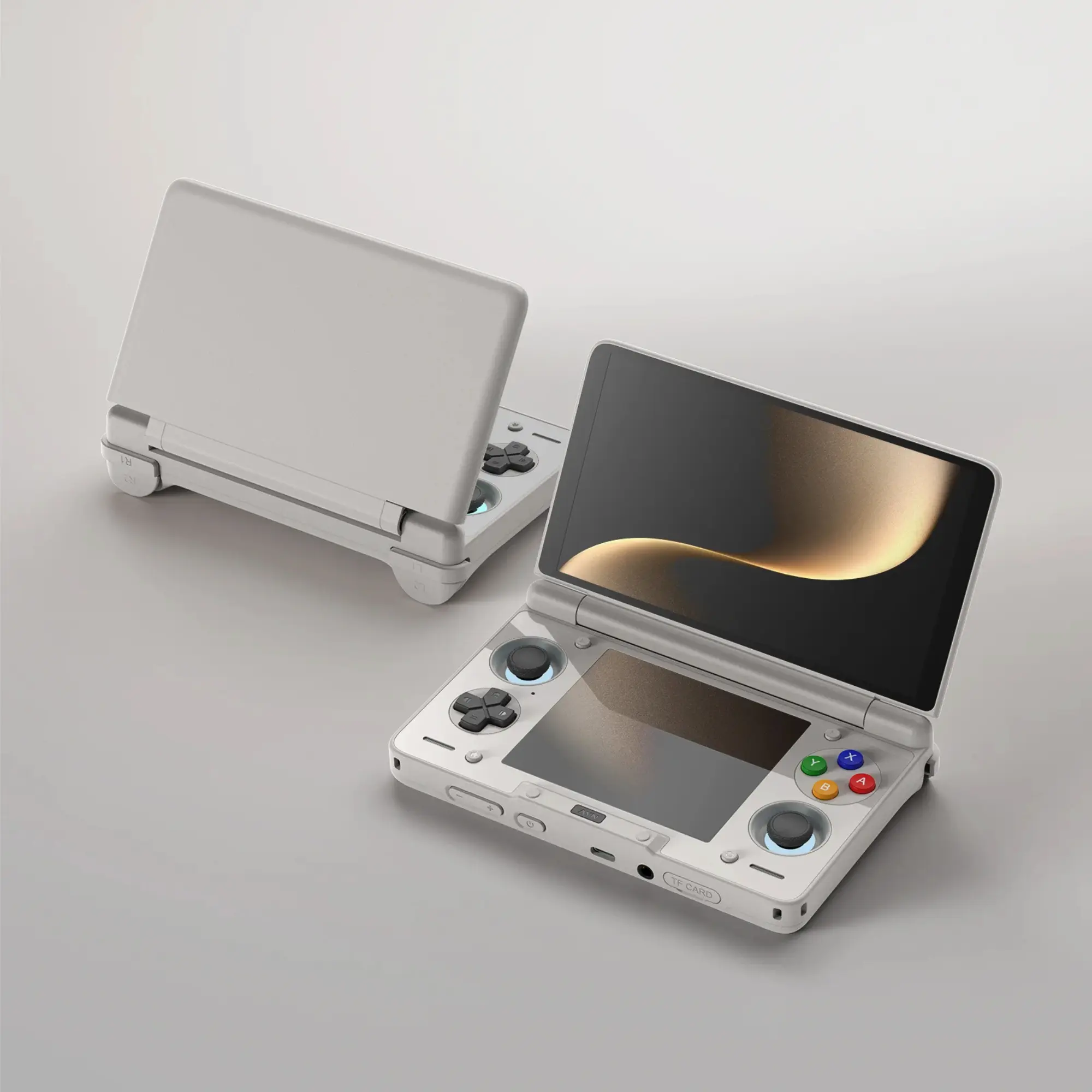
Nintendo discontinued the 3DS years ago, and the secondhand market has gone absolutely insane. Used units regularly sell for more than they cost new. AYN saw that gap and drove a truck through it. The Thor is a dual-screen, clamshell Android handheld that is essentially a modern 3DS on steroids, and it starts at just $249. Brandon from site RetroDodo called it "one of the greatest retro-focused handhelds of the year, maybe even the decade." That's not hyperbole.
The main display is a 6 inch AMOLED at 1080p with a 120Hz refresh rate. Below it sits a 3.92 inch secondary AMOLED touchscreen for maps, menus, quick settings, or classic DS-style dual-screen gameplay. Under the hood, the Lite model runs a Snapdragon 865 while the Base, Pro, and Max models pack a Snapdragon 8 Gen 2 with up to 16GB of RAM and 1TB of storage. There's a 6,000mAh battery, Hall effect joysticks, active cooling, Wi-Fi 7, and USB-C with DisplayPort output up to 4K. It runs Android 13, supports over 30 emulators, and weighs just 380 grams. The build quality and the price-to-performance ratio are genuinely hard to believe. If retro gaming or portable emulation is remotely on your radar, this is the one to watch.
Price: Starting at $249 (Lite)  | $299–$429 (Base/Pro/Max)
Visit AYN
The Wrap Up
What we love about this particular batch of products is the range. From a $99 KVM device to a $499 BlackBerry reincarnation, these aren't products chasing the same audience. They are built by people who identified a very specific frustration and decided to fix it themselves. That's the kind of energy we live for at Previewer.
Some of these brands are brand new. Some are established players making a bold new move. But all of them represent the kind of thoughtful product design that the tech industry needs more of: less feature bloat, more purpose. Less chasing trends, more solving problems.
We'll keep digging. If you find something we should know about, tell us. We're always looking for the next thing worth paying attention to.
Don't Miss What's Next
Subscribe to the Previewer.co Weekly Newsletter for more emerging brands.