
Product Guides
How to Choose an Integral Folding Knife: A Beginner's Guide to Rainbow Titanium EDC
How to Choose the Best Rainbow Titanium EDC Knife
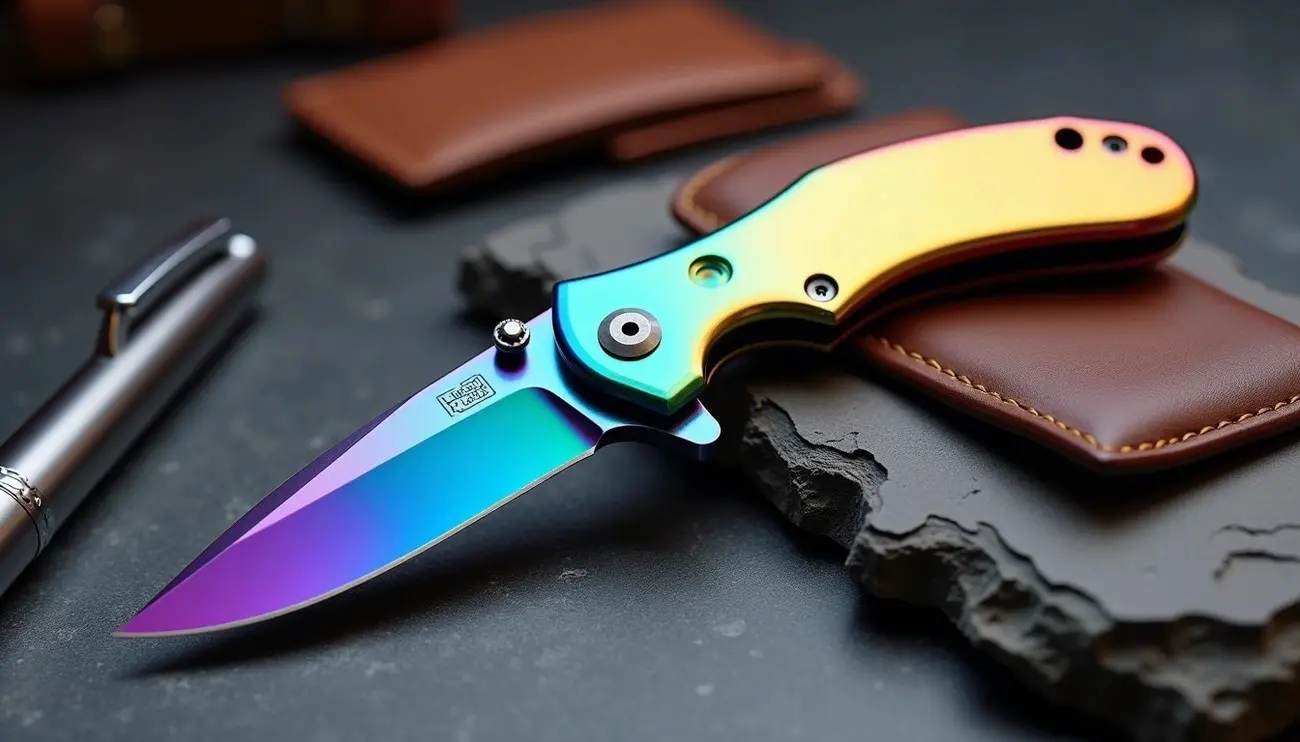
Need an integral folding knife without spending too much? Rainbow titanium models cost way less than high-end production Chinese integrals or knives with solid one-piece titanium.
Entry-level options like the Tac Force rainbow titanium spring assisted pocket knife are a great value, even though integral knives usually come with premium price tags. These compact titanium blade knives have become Amazon bestsellers because of their exceptional sharpness. They measure just 6.25 inches overall and weigh 3.5 ounces.
The compact size makes these knives practical, especially when you have limited experience. They measure between 6-7.5 inches in total length and feature blades ranging from 2.75 to 3.25 inches. Their lightweight, pocket-friendly design delivers impressive cutting power despite the smaller footprint.
This piece covers everything about selecting your first integral folding knife. We'll explore construction differences, essential features, performance testing, and ways to maximize your investment.
What Makes a Knife 'Integral'?
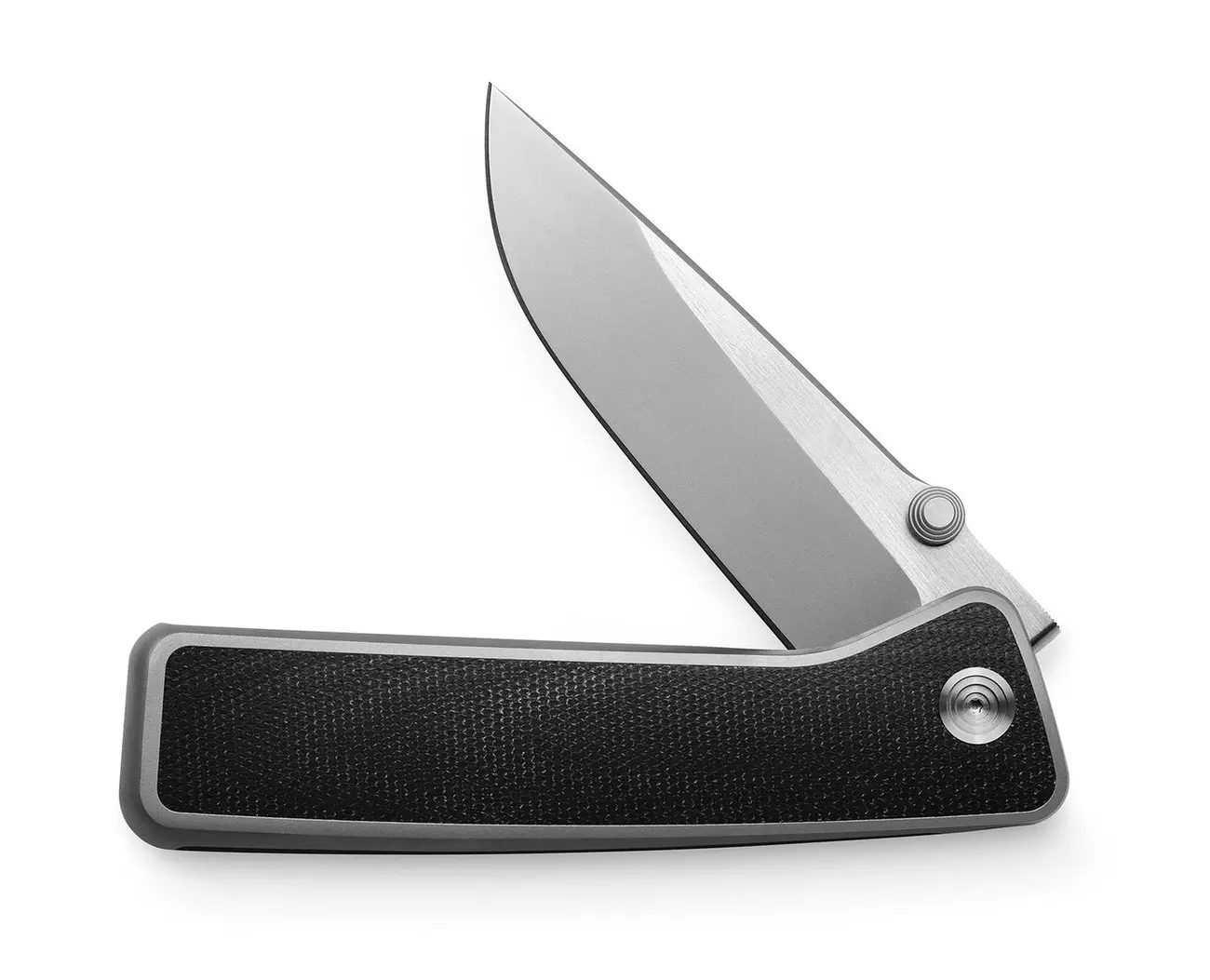
Image Source: The James Brand
The essence of an integral folding knife shows in its unique construction method. A premium pocket knife's most important features often hide from view.
Understanding integral construction
Integral knives stand at the pinnacle of knife craftsmanship. These knives differ from conventional folders because their handle comes from a single piece (or "billet") of material—typically titanium or aluminum. The process starts with a solid block of metal about the size of a checkbook box. This block then goes through precision five-axis milling to create the internal cavity that houses the blade. Such an approach needs fewer parts and hardware to maintain structural stability.
Skilled makers often spend two years to perfect this remarkably demanding manufacturing process. Fixed blade integrals feature the entire knife—blade, bolster, tang, and pommel—carved from one continuous piece of metal. This allows the grain structure to flow without interruption throughout the knife.
How it differs from sandwich construction
Traditional folding knives employ what knife makers call a "sandwich construction." This design uses two separate handle scales (or slabs) fastened together with hardware including a pivot, pins, and a backspacer. The blade sits in a channel created between these scales when folded.
Integral folding knives don't need separate scales and backspacers. The handle gets hollowed out from within to create a seamless and unified structure. This method gives much better structural integrity than standard designs. The reduced number of components leads to less maintenance and greater longevity.
Why integrals are appealing to collectors
Collectors prize integral knives for several compelling reasons. These knives showcase extraordinary machining skill with tolerances nowhere near as forgiving as traditional construction, which demands exceptional precision. Many enthusiasts find themselves drawn to the clean, sleek esthetics of the seamless transition from handle to blade.
The rarity of these knives stems from their difficult creation process. Manufacturing can get pricey and needs specialized equipment and expertise. One maker puts it simply: "You start with a couple pounds of tool steel and the finished knife is several ounces".
Integral knives boast what enthusiasts call a "bling factor" that only multi-thousand-dollar custom blades can match. Serious collectors know that carrying an integral means owning one of the finest examples of state-of-the-art manufacturing technology.
Key Features to Look for in a Rainbow Titanium EDC
Buyers need to pay close attention to several key features when choosing a quality integral folding knife. Rainbow titanium models have specific elements that determine how well they perform and last.
Blade steel and edge retention
Premium integral knives come with top-shelf blade constructions that match their high-end handles. Manufacturers choose ultra-premium steels like Böhler M390, CPM-20CV, and even CPM-S90V. These materials keep their edge sharp by a lot because of their hardness and carbide content. A good EDC blade steel needs to balance corrosion resistance with toughness. Your knife should handle unexpected challenges without chipping. Knowing how to resharpen your blade matters by a lot - even the best steel gets dull and needs maintenance.
Titanium handle and coating durability
The best titanium blade knives start as blocks of 6AL4V aerospace-grade titanium. These blocks get precision-milled on five-axis CNC machines. Physical Vapor Deposition (PVD) creates the rainbow effect through a microscopic protective titanium dioxide layer. This layer bonds to the steel at high temperatures. The coating isn't just paint - it reshapes the metal's surface and creates those iridescent colors through light diffraction. Quality titanium handles are nowhere near as prone to wear as cheaper materials. They keep their looks fresh through years of use.
Locking mechanism and deployment style
A solid locking system keeps the blade from closing accidentally during use. The frame lock stands out as a common choice (also called Reeve Integral Lock or R.I.L.). This mechanism uses part of the handle as the lock bar. Compression locks give exceptional mechanical strength. They work by wedging between the stop pin and blade tang. The deployment style changes how you use the knife. Look for smooth one-handed opening with thumb studs, flippers, or button locks based on what you like. Many premium models give you multiple ways to open the blade.
Pocket clip design and carry comfort
Deep carry pocket clips let your knife sit lower in your pocket than standard clips do. The clip stays visible while the knife stays hidden, giving you a cleaner look. This design also stops snags that might pull your knife out. The pocket clip's material makes a difference - milled titanium clips last longer and look better than stamped metal options.
Evaluating Performance and Build Quality
Using an integral folding knife reveals its true quality beyond surface looks.
Action and detent feel
Your knife's detent system - that small ball keeping the blade closed - significantly affects its deployment. A well-tuned detent keeps the blade secure while delivering crisp action when opened. Premium integral knives produce what knife enthusiasts call a "bank vault" click - a satisfying sound that suggests excellent engineering.
Weight and balance in hand
Balanced knives distribute weight perfectly between blade and handle. Most integral designs weigh more than standard knives, but this extra weight enhances stability. The balance test involves resting the knife horizontally on your index finger where blade meets handle. A properly balanced knife stays level without tipping toward either end. This balance point makes extended use comfortable and cutting more precise.
Fit, finish, and machining precision
Premium titanium blade knives demonstrate exceptional machining within ±0.0005" tolerances. High-end integral knives feature smooth transitions between parts with zero blade play. Single-piece construction eliminates the alignment problems found in sandwich-style folders.
DLC vs. PVD vs. painted coatings
Manufacturers use different coating methods to create rainbow effects:
- PVD coatings (2-5 microns thick) deliver colorful finishes and better corrosion resistance
- DLC provides diamond-like hardness, excellent wear resistance, and complete food safety
- Cerakote creates vibrant colors but doesn't last as long as vapor-deposited options
Comparing Price and Value for Beginners
Let's look at several key factors that determine the cost of integral folding knives.
What affects the price of integral knives
The manufacturing process directly affects pricing. Single-piece handles need five-axis CNC machines and skilled operators, which creates high overhead costs. Makers produce just 10-50 knives monthly and must spread their fixed expenses across fewer units. Premium materials add to the final price, especially when bought in small batches for boutique production. Raw material waste plays a big role too. The milling process discards a lot of material, and some makers include a 25% scrap rate in their pricing.
Entry-level vs. premium models
You can find budget-friendly integral knives starting at USD 60-100. These offer good materials and reliable performance. Mid-range options ($100-300) come with better materials like high-grade titanium and premium steels. The ultra-premium titanium blade knives above $300 showcase exotic materials, precise craftsmanship, and custom features. The main differences between price tiers show up in blade steel quality, handle refinement, and action smoothness rather than brand names.
Trusted brands for first-time buyers
CJRB gives great value to beginners with models under $30. Civivi makes reliable designs that feature smooth actions and excellent materials at competitive prices. Benchmade and Spyderco cost more but back their products with lifetime warranties. Since value means more than just the price tag, look for brands that offer solid warranties and customer service. This ensures long-term satisfaction.
Conclusion
You need to think about many things when picking your first integral folding knife. This piece explores what makes these knives unique - from their single-piece build to their rainbow titanium finishes that look great and last long. The one-piece design gives these knives both visual appeal and structural benefits that standard sandwich-construction knives can't match.
The quality of your EDC knife matters by a lot. Your blade's steel affects how well it holds an edge and cuts. The titanium handles give you the right mix of strength and weight. On top of that, it needs good locks to stay safe while you use it. A well-laid-out pocket clip makes it easy to carry around all day.
A tight budget shouldn't stop you from getting an integral knife. Basic models start at $60-100 and give great value to newcomers. Premium versions show off exceptional craftsmanship if you want to spend more. CJRB and Civivi are worth checking out when you start collecting. These brands offer good prices and reliable performance.
Your integral folding knife becomes more than a tool - it's a daily companion you'll value for years. The rainbow titanium look sets it apart from regular EDC choices. Take time to find the right model that fits what you need in terms of performance, style, and value. The perfect integral folding knife is out there, ready to handle your cutting tasks while catching everyone's eye with its stunning rainbow finish.