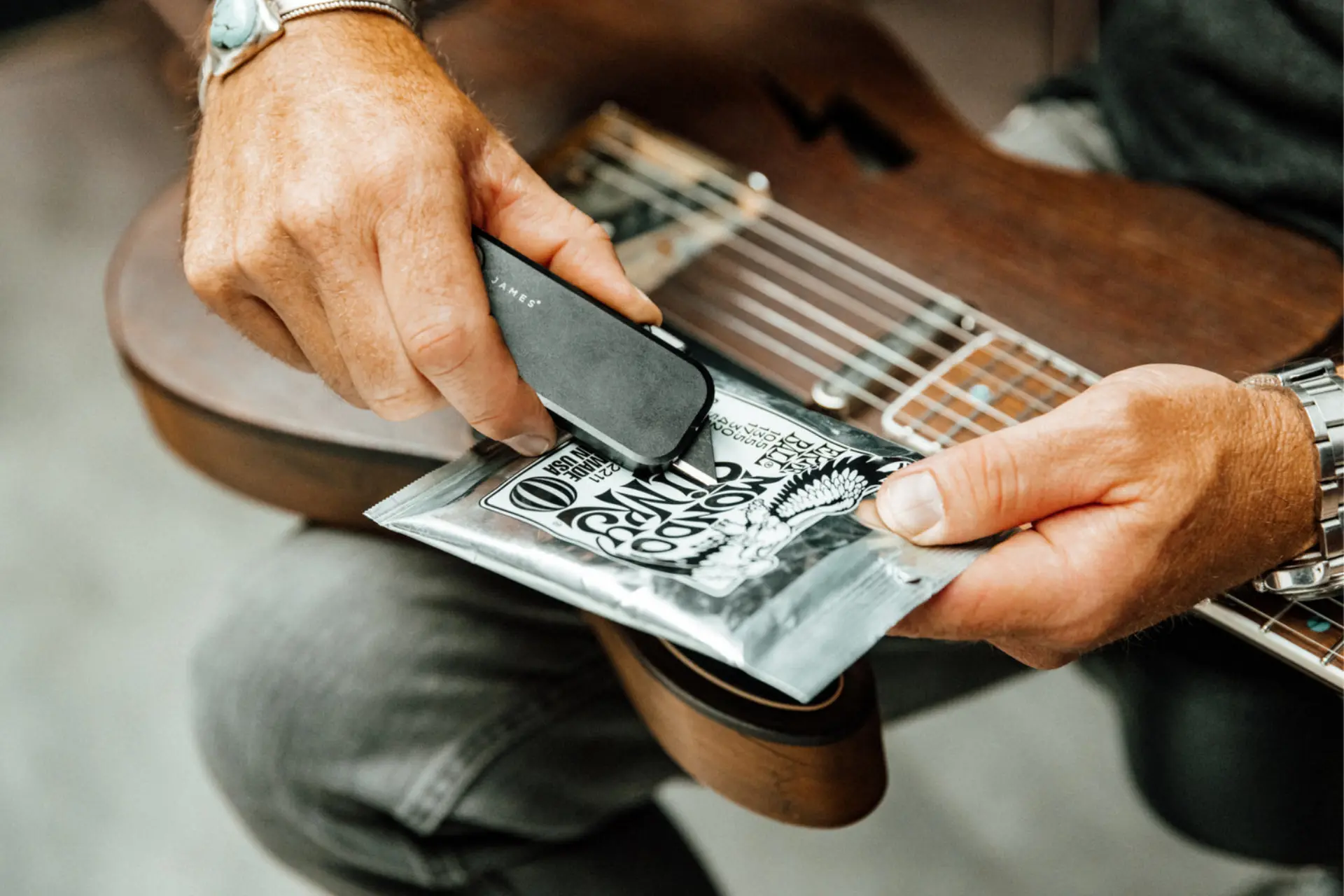
The James Brand The Palmer Utility Knife
A utility blade that doesn't scream "construction site." Palmer brings sleek EDC design to everyday cutting tasks from boxes to camping. $39.
TL;DR:
- The Palmer features a patented tool-free blade change mechanism with buttery smooth action, using standard utility blades available anywhere.
- Available in anodized aluminum (1.98 oz) or 100% post-consumer recycled PCTG in multiple colors; 3.5" closed, fits coin pockets.
- Bridges the gap between traditional EDC knife and pure utilitarian tool; more "tool than knife" for non-threatening everyday carry.
Your pocket knife is too aggressive for the office. That disposable box cutter from the hardware store feels cheap and looks worse. You need something to open packages, break down boxes, cut through plastic wrap, or put a point on a pencil without pulling out a folding blade that makes your coworkers nervous. So you compromise, carrying nothing sharp and constantly borrowing scissors or struggling with your keys to tear open packaging like some kind of cave person.
Here's the frustrating reality of utility knives: they're either disposable plastic garbage that breaks after three uses, or they're bulky industrial tools designed for warehouse work rather than everyday carry. The good ones require tools to change blades. The cheap ones have sketchy locking mechanisms. None of them look like something you'd actually want in your pocket next to your keys and wallet. You're stuck choosing between functional-but-ugly or stylish-but-useless, with no middle ground that respects both form and function.
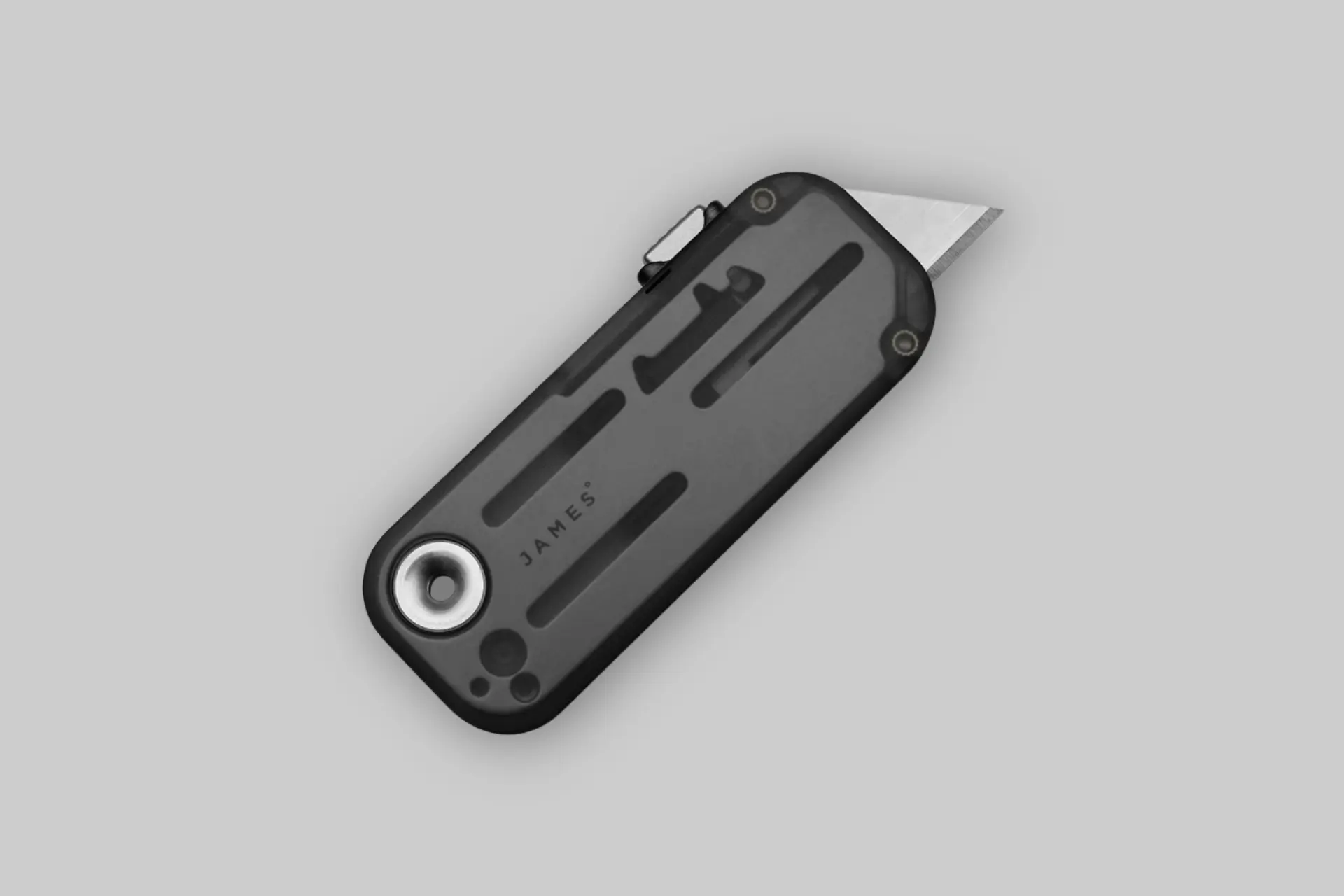
The James Brand Palmer was designed specifically to solve this problem. It's a refined utility knife with a patented tool-free blade change mechanism, using standard high carbon steel utility blades you can find at any hardware store. Available in anodized aluminum or 100% post-consumer recycled PCTG, offered in multiple colors that make it feel more like a lifestyle accessory than a contractor's tool. At 3.5" closed and 1.98 oz, it sits discreetly in your coin pocket with an integrated lanyard for easy deployment. In this review, we'll break down whether The Palmer actually delivers the "maximum utility, multiple colors" promise, or if it's just an overpriced box cutter with good marketing.
What Is The James Brand Palmer?
The Palmer is The James Brand's take on the classic utility knife, reimagined for modern living and designed to be "more of a tool than a traditional pocket knife." This positioning matters because it addresses a real gap in everyday carry: people who need cutting capability but don't want to carry something that reads as a weapon. The Palmer bridges this gap by embracing utility knife aesthetics (replaceable blade, slim profile, tool-oriented design) while elevating materials and mechanics to match premium EDC standards.
The form factor is deliberately compact: 3.5" closed length, 4.1" open length, designed to fit in the coin pocket of your jeans without bulk or discomfort. Available in two handle materials (anodized 6064 aluminum at approximately 2.5 oz, or 100% post-consumer recycled PCTG at 1.98 oz), with multiple color options that range from classic black to translucent Game Boy-era nostalgia colors. The Clear version specifically targets people who remember the iMac G3 and appreciate that aesthetic in modern tools.
The patented mechanism is The Palmer's defining feature. This is The James Brand's first utility patent, representing genuine innovation rather than just aesthetic design. The system allows tool-free blade changes with what users consistently describe as "buttery smooth action." You're not fumbling with screws or struggling with stiff retention; the mechanism opens cleanly, releases the blade, accepts a fresh one, and locks securely with minimal effort. This transforms blade changes from a frustrating chore into a 10-second operation.
The Palmer uses standard high carbon steel utility blades, the same ones used in conventional box cutters and available at hardware stores, grocery stores, and online for pennies each. This matters enormously for long-term usability. Proprietary blades create vendor lock-in and availability problems; standard blades mean you can buy replacements anywhere, anytime, without depending on The James Brand's supply chain or paying premium prices for specialized components.
The integrated lanyard addresses deployment speed, a critical factor that separates actually-useful EDC from stuff-that-stays-in-your-drawer. With the lanyard attached to your pocket or belt loop, The Palmer dangles ready for instant access. No digging through pockets, no fumbling with clips. Grab, pull, deploy. This makes it genuinely faster than most folding knives for quick cutting tasks.
Ingredients, Features, and Quality
The Palmer's quality begins with material selection. The anodized 6064 aluminum version provides the lightweight durability that aluminum is known for, with anodization adding corrosion resistance and aesthetic finish. Aluminum won't rust, handles temperature extremes without issue, and develops character (scratches, dings) over time that some users appreciate as patina. The trade-off is that aluminum shows wear more visibly than steel; drops and daily carry will mark the finish.
The 100% post-consumer recycled PCTG (Clear) version offers a different value proposition: environmental responsibility combined with distinctive aesthetics. PCTG is a copolyester known for toughness, chemical resistance, and clarity. Using post-consumer recycled material reduces environmental impact while maintaining performance characteristics. The translucent colors (five options) create visual interest that opaque aluminum can't match, appealing to users who want their tools to reflect personality rather than just function.
At 1.98 oz for the Clear version versus approximately 2.5 oz for aluminum, the weight difference is noticeable but not dramatic. Both sit comfortably in a coin pocket without pulling your jeans down or creating bulk that interferes with movement. The dimensions (1.5" height, 0.4" width, 3.5" closed) represent careful optimization for everyday carry rather than maximum blade exposure or grip size.
The patented mechanism deserves detailed examination because it's the functional innovation that justifies The Palmer's premium positioning. Traditional utility knives use screw-together construction (requiring tools for blade changes), slide mechanisms (often loose and imprecise), or snap-fit designs (difficult to open and prone to breaking). The Palmer's mechanism provides tool-free access while maintaining secure blade retention during use, solving the core utility knife problem of "easy to change OR secure, but not both."
The smooth blade action users praise comes from precision manufacturing tolerances and thoughtful design. Cheap utility knives have gritty, sticky mechanisms because components don't fit precisely. The Palmer's action feels deliberate and controlled, opening and closing with consistent resistance rather than catching or binding. This quality-of-life improvement matters when you're using the tool multiple times daily.
Standard utility blade compatibility transforms The Palmer from a proprietary system into an open platform. When your blade dulls (utility blades are designed for disposability rather than sharpening), you don't need to order replacement blades from The James Brand and wait for shipping. You walk into any hardware store, buy a pack of standard blades for a few dollars, swap the old for new, and continue working. This convenience factor is often overlooked until you actually need a replacement blade at 8 PM on a Sunday.
The "non-knifey" positioning addresses real social dynamics around blade carry. Folding pocket knives, even small ones, can create discomfort in office environments, airports, schools, or social situations. A utility knife reads differently: it's a tool for practical tasks rather than a potential weapon. This perception management matters for people who work in corporate settings, travel frequently, or simply don't want the social friction that comes with visible knife carry.
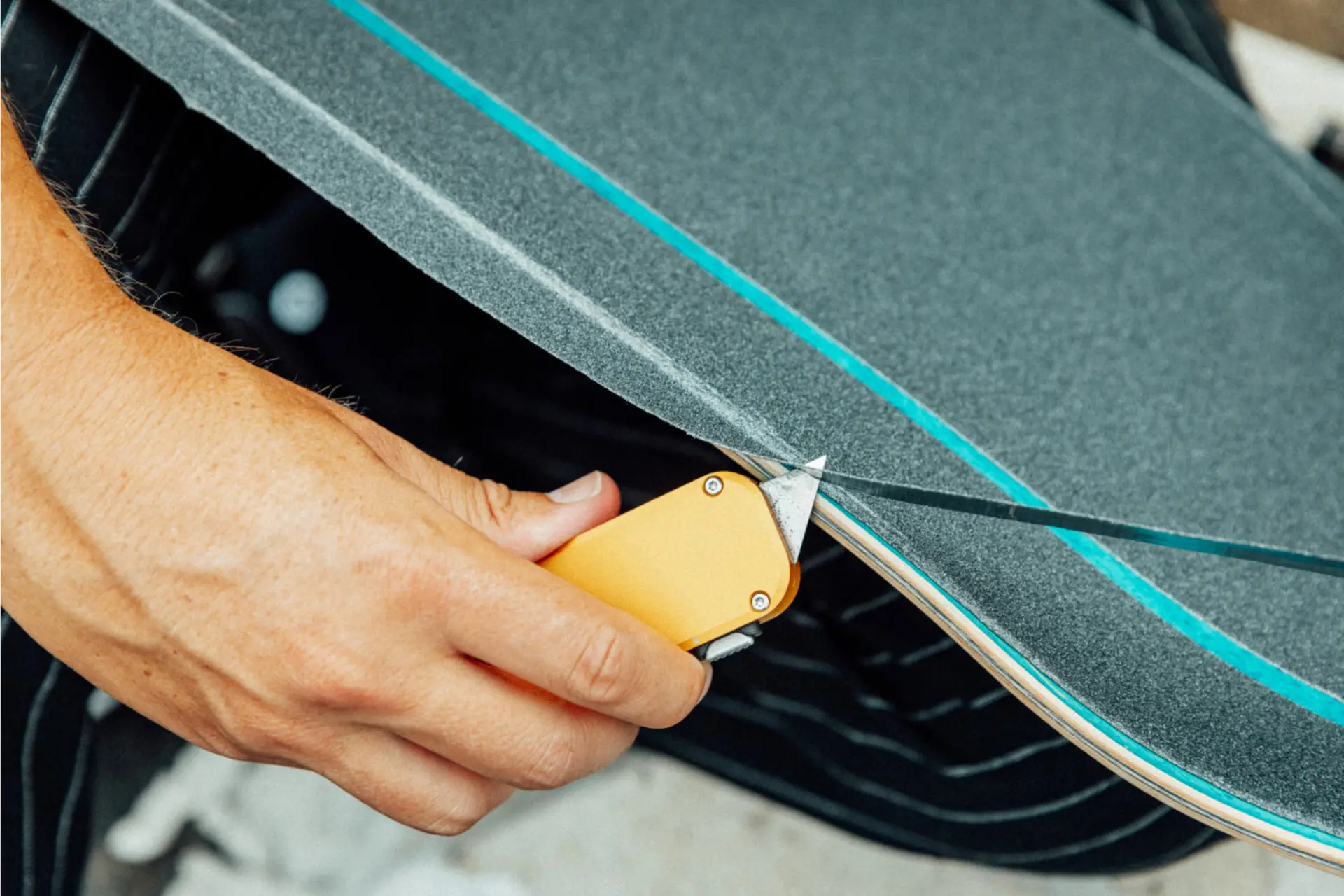
Versatility extends across cutting tasks: opening packages (the most common daily use), breaking down cardboard boxes, cutting carpet or other materials during home improvement, scoring and etching for craft projects, whittling (though utility blades aren't ideal for this), even putting a point on a pencil or opening stubborn chip bags. The Palmer handles all of these adequately, though specialized tools would excel at specific tasks. The value is in having one tool that covers 80% of cutting needs without carrying multiple specialized items.
Low maintenance is a genuine advantage. Folding knives require periodic sharpening, cleaning, and lubrication. The Palmer requires none of this. When the blade dulls, flip it around to use the other edge. When both edges are dull, swap in a fresh blade. No sharpening stones, no honing oils, no disassembly for cleaning. This appeals to people who want functional tools without hobby-level maintenance commitments.
Pros and Cons of The James Brand Palmer
- ✅ Pro: Patented tool-free blade change mechanism with smooth, secure action
- ✅ Pro: Uses standard utility blades available anywhere for easy, affordable replacement
- ✅ Pro: Compact design (3.5" closed, 1.98-2.5 oz) fits coin pockets without bulk
- ✅ Pro: Available in aluminum or 100% post-consumer recycled PCTG with multiple color options
- ✅ Pro: Integrated lanyard enables quick deployment and prevents loss
- ✅ Pro: "More tool than knife" design reduces social friction in sensitive environments
- ✅ Pro: Zero maintenance required; no sharpening, just blade replacement
- ✅ Pro: Versatile across common cutting tasks from packages to light craft work
- ✅ Pro: Premium materials and refined design elevate everyday utility knife category
- 🟡 Con: Exposed blade length shorter than some traditional utility knives
- 🟡 Con: Aluminum versions show scratches and wear from daily carry and drops
- 🟡 Con: Utility blade format less suitable for food prep or fine detail work than traditional knife
Who Should Choose The James Brand Palmer?
The Palmer is designed for people who need daily cutting capability but want something more refined than a hardware store box cutter. It's especially well-suited for:
- EDC enthusiasts seeking quality tools: Those who curate pocket carry with attention to design, materials, and function will appreciate The Palmer's premium execution.
- Office workers and professionals: The "non-knifey" design allows cutting capability in corporate environments where traditional pocket knives feel inappropriate.
- People who open lots of packages: Online shopping culture creates daily package-opening needs; The Palmer excels at this specific task.
- Minimalists wanting multi-use tools: One compact tool replaces scissors, box cutters, and other specialized cutting implements.
- Those avoiding maintenance commitments: No sharpening or complex care routines appeal to users who want function without hobby-level engagement.
- Eco-conscious consumers: The 100% post-consumer recycled PCTG option provides environmental responsibility without performance compromise.
- Anyone seeking pocket-friendly cutting: The coin pocket fit and lanyard deployment make this genuinely convenient for all-day carry.
Final Verdict: Is The James Brand Palmer Worth It?
The James Brand Palmer succeeds by elevating the humble utility knife from disposable commodity to refined EDC tool. The patented tool-free blade change mechanism delivers on its promise of smooth, secure, effortless operation that transforms blade swaps from frustrating chores into 10-second tasks. Standard utility blade compatibility ensures you'll never struggle to find replacements, while the compact design (3.5" closed, under 2.5 oz) actually fits coin pockets without bulk or discomfort.
The premium materials (anodized aluminum or 100% post-consumer recycled PCTG) and multiple color options demonstrate that utility tools can be both functional and aesthetically considered. The "more tool than knife" positioning solves real social friction for people who need cutting capability in environments where traditional pocket knives create discomfort. Yes, the price point is significantly more than a hardware store box cutter. But you're not buying a disposable tool; you're investing in a refined EDC piece that bridges the gap between pure utility and lifestyle accessory. For 2026, if you're looking for daily cutting capability that respects both form and function, The Palmer delivers maximum utility in a package you'll actually want to carry. Update your EDC; this is what modern utility looks like.