
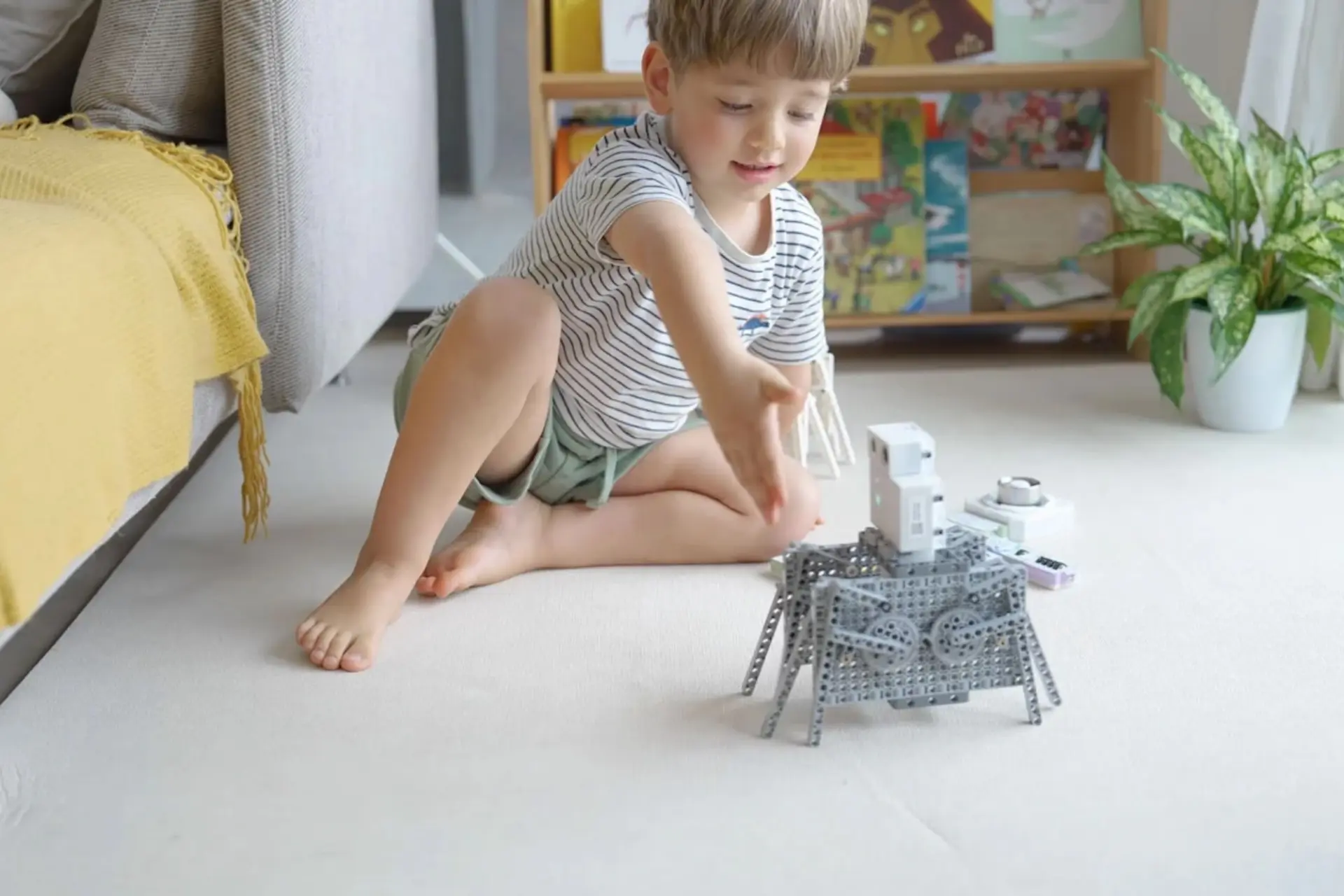
CODEE Coding Robots
Kids build and program real robots using magnetic blocks, zero screens required. Starting at $399.
Last Updated: June 2026
TL;DR
- CODEE replaces screens and keyboards with physical magnetic snap-together blocks that represent coding logic, making programming tangible for kids ages 4 to 12 through a simple four-step process: build the robot, snap the blocks, run the code, and watch it move.
- A built-in ChatGPT-powered AI pair programmer suggests improvements, helps debug code, and guides children through the reasoning process without just giving them the answer, reducing frustration during early learning.
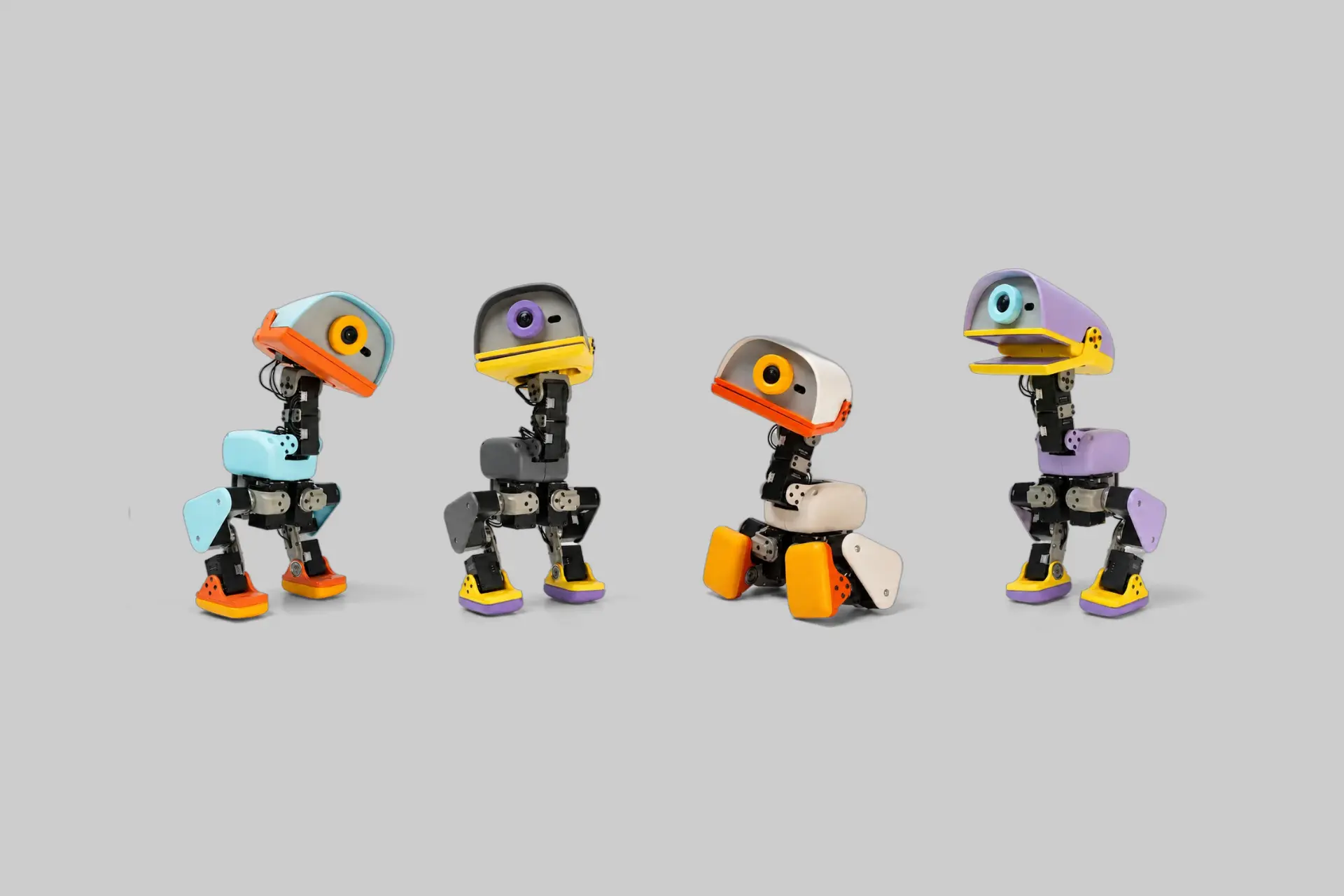
- Compatible with 3D-printed prototypes and LEGO robots for more advanced builds, with project examples including robot dogs, smart lights, and mechanical hands, making it useful for both casual family play and serious young makers.
CODEE is a screen-free coding toy that uses magnetic snap-together blocks to help kids ages 4 to 12 build and program real working robots, with no apps, no syntax, no prior experience required, and a built-in ChatGPT-powered AI pair programmer that suggests improvements and helps debug code as they build. If you have been looking for a way to introduce programming concepts to a child without adding more screen time to their day, CODEE is one of the most genuinely different approaches to that problem available in 2026.
CODEE at a Glance
- Price: $399 (launch pricing)
- Recommended Age: 4 to 12 years
- Coding Method: Magnetic snap-together blocks, no screen or keyboard
- App Required: No
- AI Integration: ChatGPT-powered AI pair programmer
- Compatible Build Systems: 3D-printed prototypes, LEGO robots
- Example Projects: Robot dog, smart light, mechanical hand, and more
- Best For: STEM education, robotics, beginner programming, family learning, curious makers
What Is CODEE?
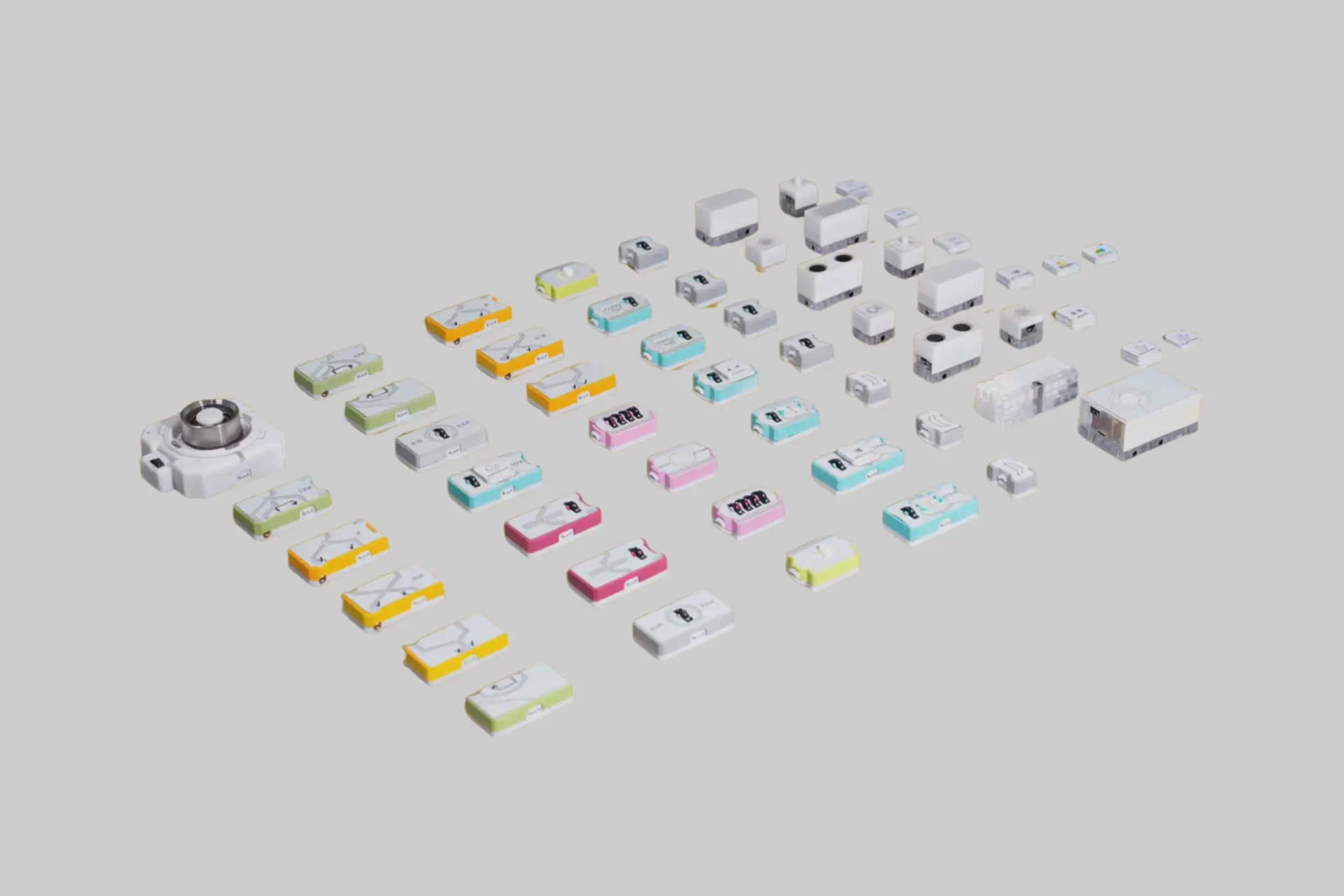
CODEE is an educational robotics platform that teaches coding concepts through physical interaction rather than traditional software. Children build a robot, snap together magnetic coding blocks that represent programming instructions, press run, and watch the sequence execute in real time. There is no app to download, no screen to navigate, and no syntax to memorize before the experience can begin.
The system is designed for ages 4 to 12 but grows well beyond entry-level robot builds. Compatibility with 3D-printed prototypes and LEGO robots means the platform supports serious making alongside casual play, and the project range from robot dogs and smart lights to mechanical hands demonstrates that CODEE is built to evolve with a child's growing skills rather than limiting them to one type of build.
What Makes CODEE Different?
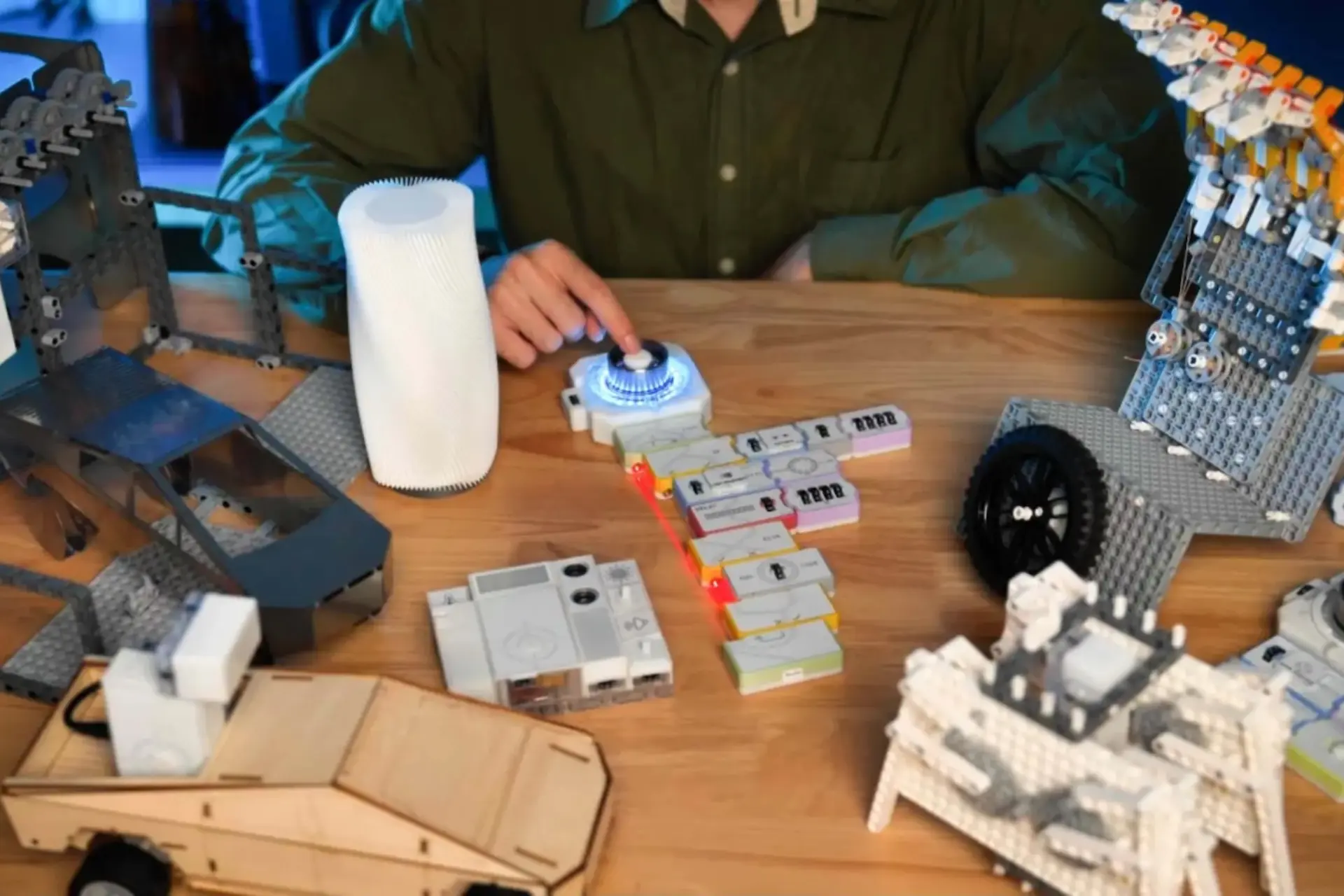
The absence of screens is the foundational design decision, and it changes the learning experience more than it might initially seem. Most coding tools for children, including Scratch and Blockly, use visual block-based programming on a screen. That approach works well, but it still requires a child to mentally connect what they see on the display to what the robot will actually do. CODEE makes that connection physical and direct: the coding blocks in their hands are the program. When the light flow visualization travels through the blocks as the code runs, they can see exactly how their logic executes without looking at a separate screen to understand it.
The ChatGPT-powered AI pair programmer is the feature most likely to differentiate CODEE's outcomes from other physical coding toys. Having an AI that can explain why something is not working, suggest a better approach, and guide a child through the debugging process reduces the frustration that causes most children to disengage from STEM tools. The goal is to guide them through the reasoning rather than simply provide the answer, which builds the problem-solving habit that makes programming genuinely valuable as a skill.
What Are the Key Features?
The four-step process reflects the simplicity of the core experience: build the robot, snap the blocks together in a sequence, run the code, and watch it move. That loop is short enough for a four-year-old to complete and rewarding enough to keep a twelve-year-old experimenting with more complex logic as their confidence grows.
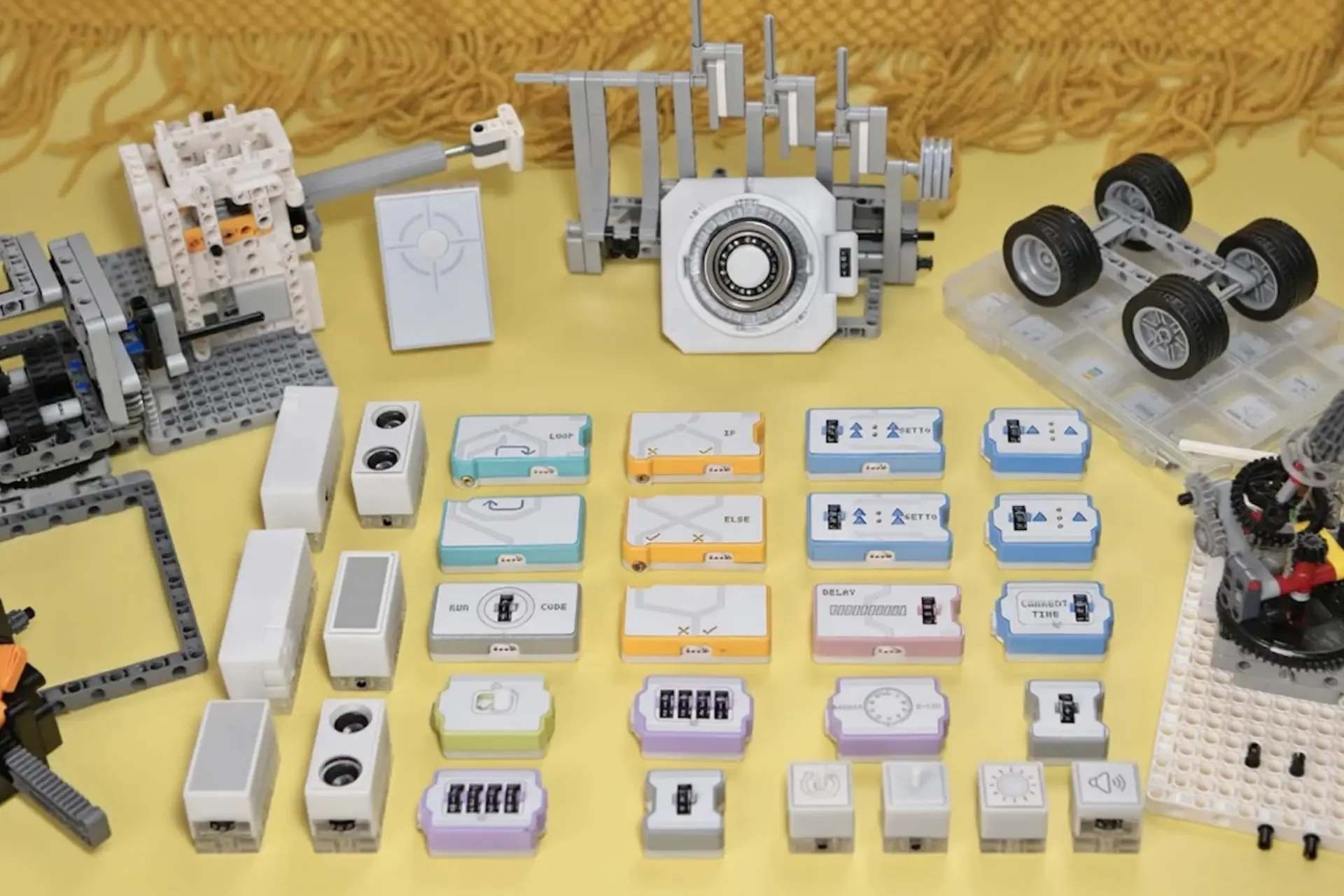
The magnetic connection system means blocks snap together and come apart easily without fine motor skill barriers for younger children, and the physical nature of the code makes debugging a concrete activity: you can see a misplaced block, move it, and immediately test whether your fix worked. That tangibility is what makes CODEE closer to playing with LEGO than to working through a programming tutorial, which is the right emotional framing for getting children genuinely engaged rather than just taught.
The LEGO and 3D printing compatibility opens the platform to a maker audience that wants to apply the coding blocks to projects of their own design rather than being limited to the robot builds that come with the kit. Families with existing LEGO collections can immediately extend what CODEE makes possible without additional investment.
How Does CODEE Compare to Other Coding Toys?
Coding toys that use tablets or apps require managing both the build and the screen simultaneously, which splits a child's attention and introduces technology friction that has nothing to do with the programming concepts being taught. CODEE keeps the entire experience in the physical world until the moment the robot moves, which keeps the focus entirely on the logic rather than on navigating software.
Compared to physical coding systems that do not include AI assistance, the ChatGPT integration is a meaningful practical differentiator. A parent or teacher sitting beside a child to help debug their logic is not always available. An AI that can fill that role consistently, patiently, and in age-appropriate language changes how independently a child can make progress through the harder parts of learning to code.
Best Ways to Use CODEE
The robot dog and mechanical hand builds are the natural starting projects that ship with the kit and provide enough challenge to keep older children engaged while remaining accessible to beginners. For families with LEGO collections, adding CODEE blocks to existing LEGO builds is a way to extend the platform's scope immediately without waiting for additional kits.
For educators, the screen-free format makes CODEE practical in classroom environments where device access is limited or where screen time policies restrict tablet use during learning activities. The collaborative nature of building and coding a physical robot also lends itself to group work in ways that individual screen-based coding tools do not.
Pros and Cons
- ✅ Completely screen-free and app-free coding experience from start to finish
- ✅ Magnetic snap-together blocks make programming logic physical and tangible
- ✅ ChatGPT-powered AI pair programmer guides debugging and suggests improvements
- ✅ Compatible with 3D-printed prototypes and LEGO robots for advanced builds
- ✅ Covers ages 4 to 12 with builds ranging from beginner to maker-level complexity
- ✅ No prior coding experience or syntax knowledge required to begin
- 🟡 $399 launch price is a significant investment compared to basic coding toys
- 🟡 Advanced programmers may eventually outgrow the physical block format as their skills develop
- 🟡 New platform with an ecosystem still developing around it
Who Is CODEE Best For?
- Parents reducing screen time: A hands-on coding education that does not add another screen to a child's day.
- Educators: Classroom-friendly STEM activities with no device requirement and strong collaborative potential.
- Young makers: A platform that grows from beginner robot builds to LEGO and 3D-printed prototypes as skills develop.
- Families: A collaborative building and programming activity that works across a wide age range in the same household.
- Curious beginners: The four-step process and AI tutor create a low-frustration entry point for children with no prior coding exposure.
Final Verdict: Is CODEE Worth It?
CODEE earns its positioning as a strong first step into robotics and AI for curious kids and hands-on families. The magnetic block coding system, the complete absence of screens, the ChatGPT pair programmer, and the LEGO and 3D printing compatibility all reflect deliberate design decisions that add up to something genuinely different from what the educational robotics category has offered before.
At $399 it is an investment rather than an impulse purchase, and it is worth making that investment with the expectation that this is a platform a child will use and grow with rather than a toy they will put down after a few sessions. For parents and educators who want to build genuine computational thinking habits in children without making the first step feel like homework, CODEE is one of the more thoughtfully designed tools available in 2026.
About Previewer
Previewer is an independent product discovery platform featuring honest, in-depth reviews of emerging and noteworthy brands across technology, gear, wellness, and lifestyle. Every product we feature is selected on merit, and our reviews are written to help real people make informed decisions, not to push a sale. If a brand is featured here, it's because we think it's worth your attention.