HOVERAir Aqua
A waterproof drone that launches from your hand, lands on water, and follows you automatically. Starting at $549.
Last Updated: June 2026
TL;DR
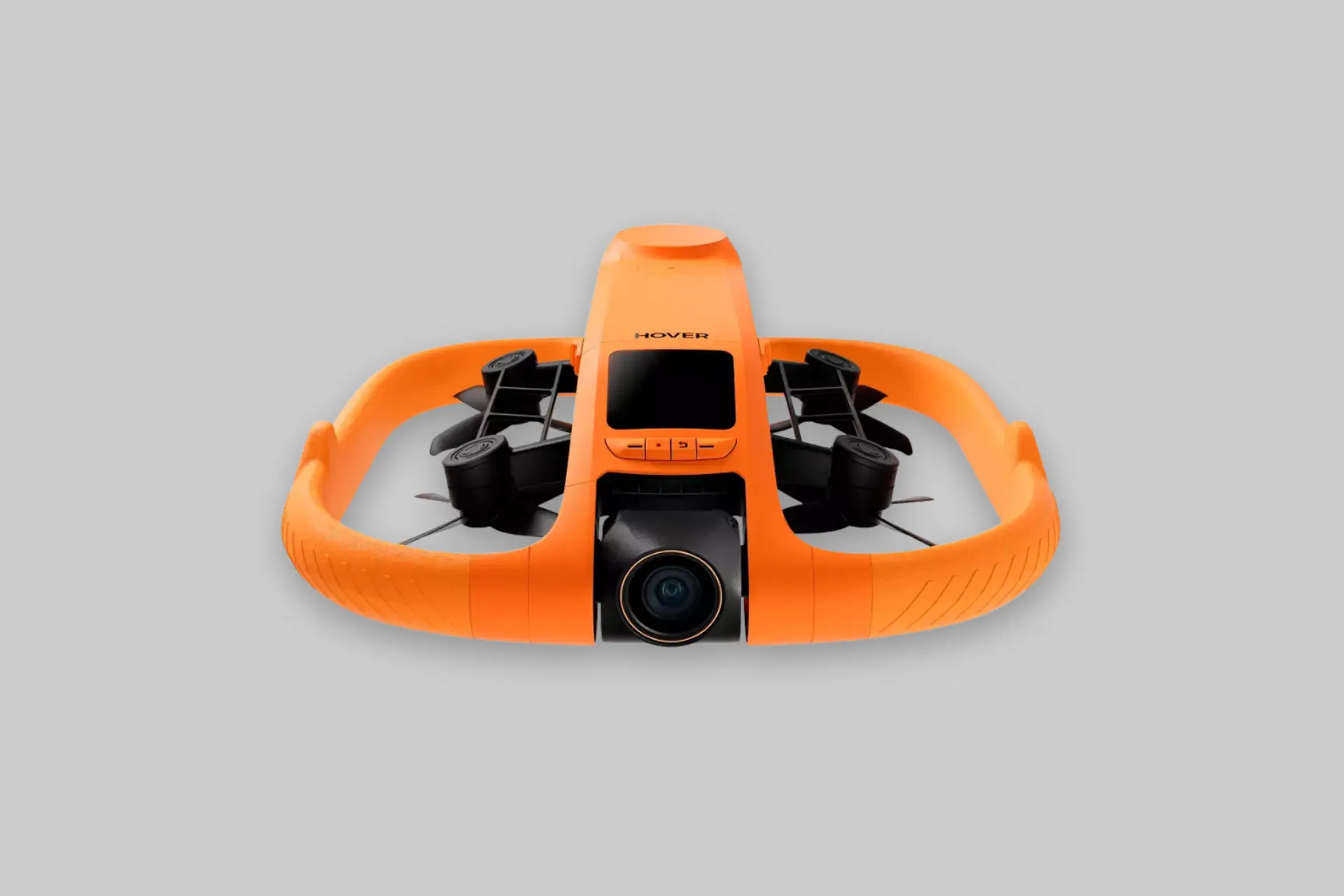
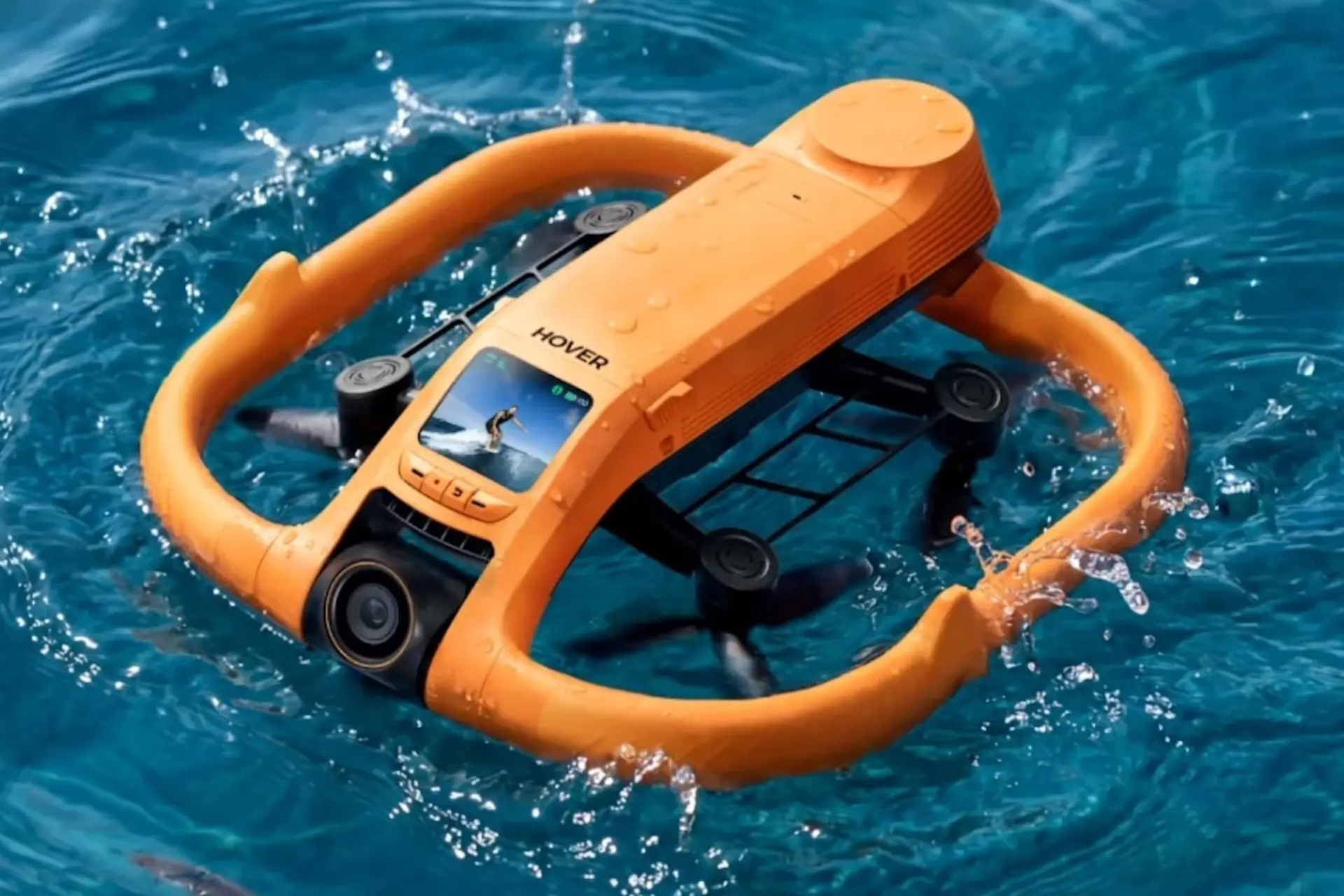
- The HOVERAir Aqua is IP67 rated with 15-plus waterproof and anti-corrosion innovations, including a hydrophobic self-heating anti-fog lens, allowing it to float on water, take off from the surface, and operate through splashes, waves, and humid conditions without affecting image quality.
- RTK precision tracking through the wearable Lighthouse device maintains centimeter-level positional accuracy even when you are hidden behind waves or spray, with 10-plus automated flight modes including sport-specific modes for paddleboard, kayak, and foil.
- Weighs 249g (no FAA registration required in the US), records 4K at up to 100fps on a 1/1.28-inch CMOS sensor with 1-axis gimbal plus EIS stabilization, and includes 128GB of built-in storage with no external SD card needed, at a starting price of $549.
The HOVERAir Aqua is the world's first self-flying camera drone built specifically for water, with an IP67 waterproof rating, 15-plus waterproof and anti-corrosion innovations, RTK precision tracking via a wearable Lighthouse device, 10-plus automated flight modes including sport-specific options for paddleboard, kayak, and foil, 4K 100fps video on a 1/1.28-inch CMOS sensor, 128GB of built-in storage, and a 249g body that clears the FAA registration threshold. If you have been avoiding drone footage on or near water because one wrong landing ends the session, the Aqua removes that constraint entirely.
HOVERAir Aqua at a Glance
- Starting Price: $549
- Weight: 249g (no FAA registration required in the US)
- Waterproof Rating: IP67
- Max Flight Time: 23 minutes
- Max Speed: 34 mph (55 km/h)
- Video: 4K at 100/60/30fps, 1080P at 100/60/30fps
- Image Sensor: 1/1.28-inch CMOS, 12MP
- Stabilization: 1-axis gimbal plus EIS (SmoothCapture 3.0)
- Storage: 128GB built-in (UFS 2.2), no SD card support
- Tracking: RTK via wearable Lighthouse device
- Flight Modes: 10-plus, including Paddleboard, Kayak, Foil, Follow, Zoom Out, Orbit
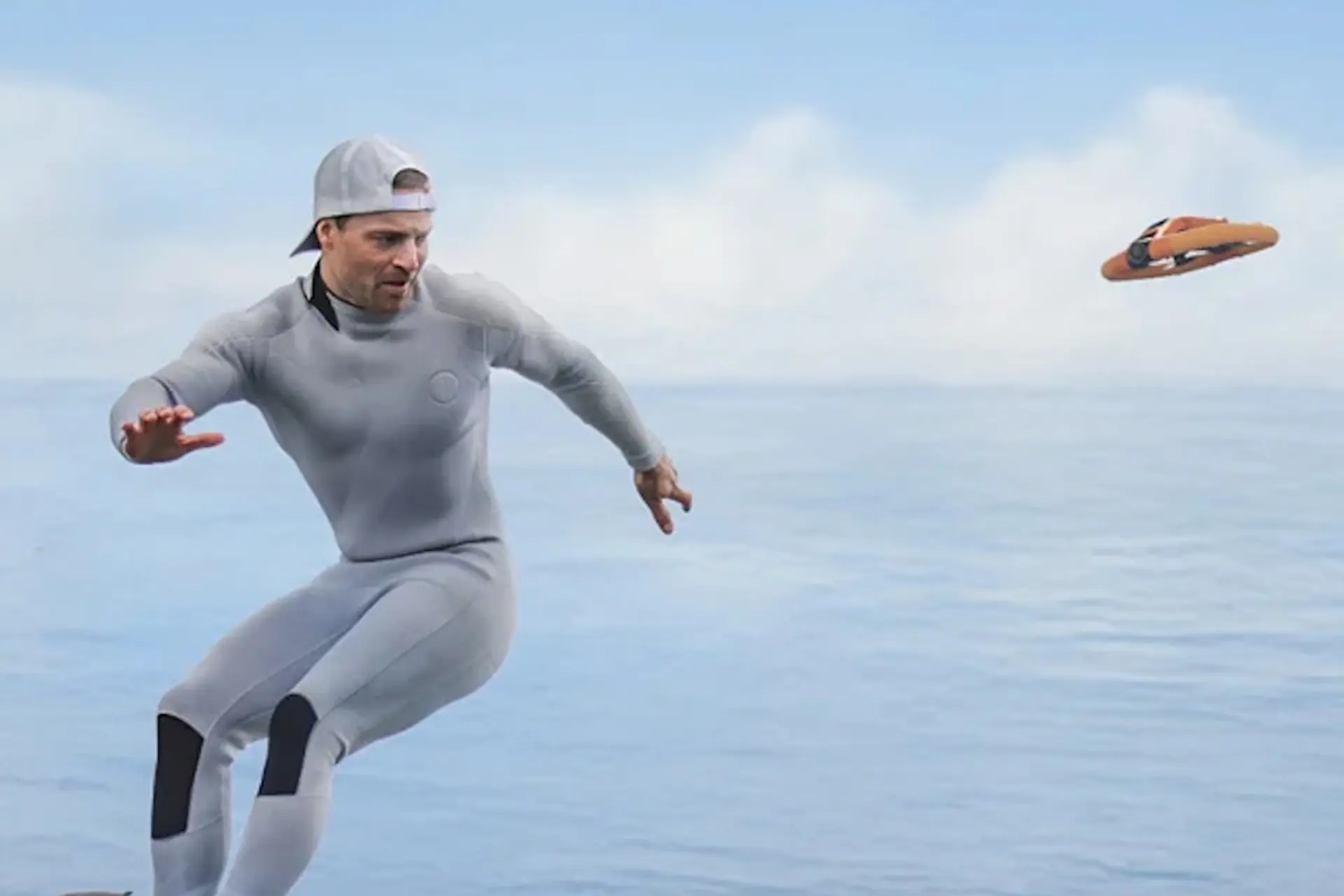
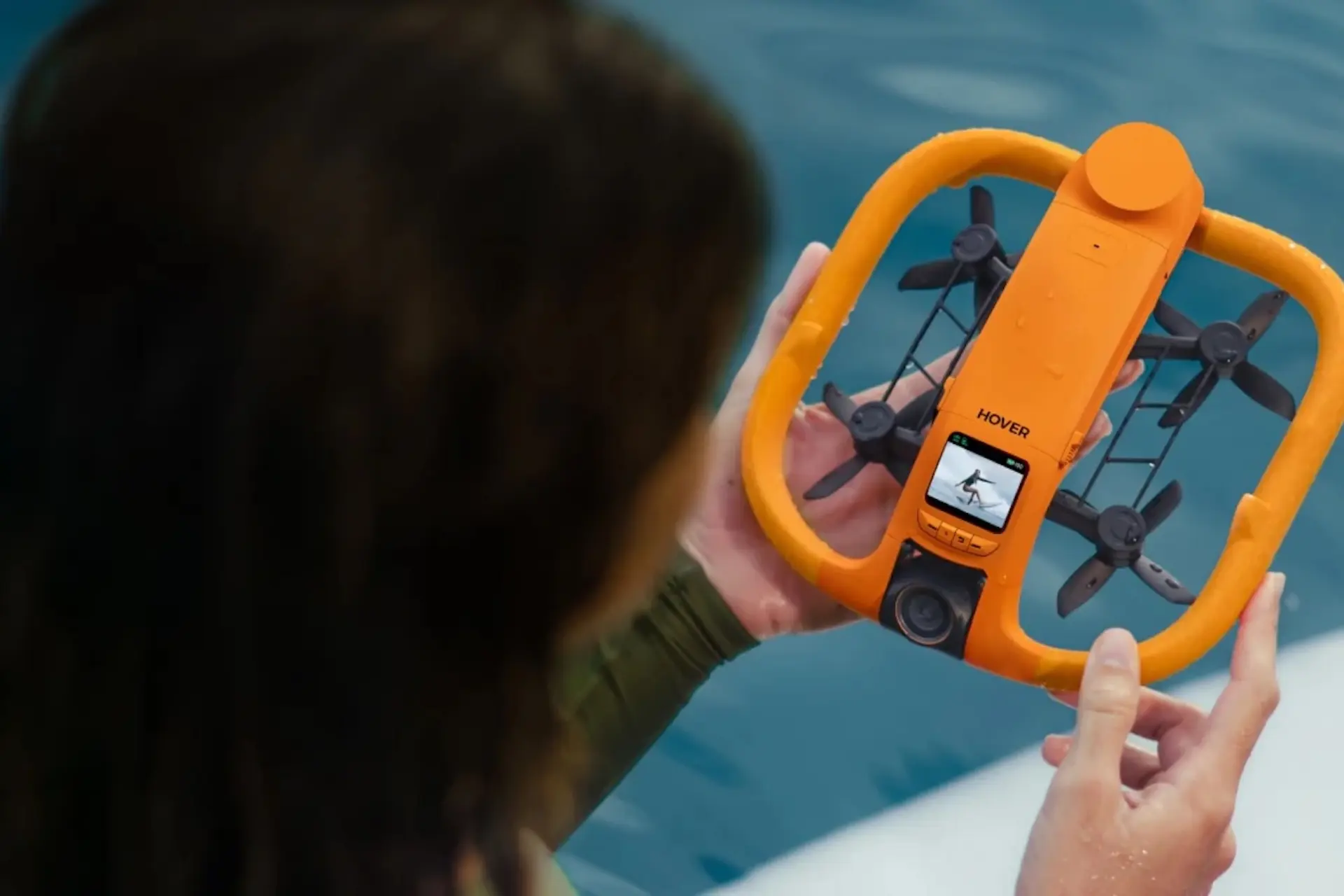
- Launch: Hand launch or water surface takeoff
- Best For: Kayaking, paddleboarding, boating, surfing, foiling, beach trips, outdoor adventures
What Is the HOVERAir Aqua?
The HOVERAir Aqua is HOVERAir's most specialized drone to date, built from the ground up around a single premise: water should not be something a drone avoids. It is the world's first self-flying camera drone designed specifically to operate on and around water, floating on the surface, taking off from it, and tracking subjects through waves, spray, and humid conditions that would end a session for any conventional drone.
Like previous HOVERAir products, the Aqua prioritizes autonomous operation over manual piloting complexity. Users launch it by hand or from the water surface, select a flight mode, and let the drone handle the filming. The difference with the Aqua is that the environment it is designed for is one where most other drones simply cannot go.
What Makes the Aqua Different?
The IP67 waterproof rating combined with 15-plus waterproof and anti-corrosion innovations is what makes the core promise credible rather than aspirational. The hydrophobic, self-heating anti-fog lens is one of the more technically specific details, addressing the lens fogging that affects drone footage in humid, spray-heavy environments. These are not a single waterproof seal applied to an otherwise conventional drone. They are a collection of engineering decisions made throughout the product specifically to address water as the primary operating environment.
The RTK precision tracking via the wearable Lighthouse device is the other major differentiator from standard drone tracking. Most drone tracking systems rely on visual recognition, which fails when the subject is obscured by waves, spray, or rapid movement. Real-Time Kinematics uses positional data to maintain centimeter-level accuracy between the Lighthouse and the drone regardless of what is happening visually between them. For water sports where subjects are constantly moving in and out of frame and through spray, that is a fundamentally more reliable tracking mechanism than camera-based alternatives.
What Are the Key Specs and Features?
The 1/1.28-inch CMOS sensor captures 4K at up to 100fps, which gives enough frame rate for smooth slow-motion playback of fast-moving water sports activities. SmoothCapture 3.0 combines a 1-axis gimbal with electronic image stabilization to keep footage stable in rough conditions where a gimbal alone would be insufficient. The 12MP stills capability covers photo use cases alongside video.
The 10-plus automated flight modes include sport-specific options that adapt to each activity's pace and motion profile. Paddleboard, Kayak, and Foil modes are built around the specific movement patterns of those activities rather than being generic tracking modes applied across all use cases. Follow, Zoom Out, and Orbit modes cover the classic creative shots that apply across any activity. For solo creators, having modes tuned to the specific sport they are filming removes the guesswork from shot selection.
At 249g, the Aqua falls under the FAA registration threshold for recreational use in the US, which removes a practical barrier for casual users. The 128GB of built-in storage at UFS 2.2 speed eliminates the memory card management problem that becomes genuinely inconvenient around water, where a dropped SD card disappears permanently. The 23-minute flight time and 34mph maximum speed cover the practical range of most water activity filming sessions.
How Does Aqua Compare to Action Cameras?
Action cameras like GoPro excel at first-person perspectives and can go anywhere the person goes. What they cannot do is provide dynamic third-person footage of the person in action without additional equipment, a mount, a pole, or another person operating the camera. The Aqua fills that gap by functioning as an autonomous aerial camera operator that follows, tracks, and frames the subject from positions no handheld or mounted camera can reach.
The comparison to a traditional drone is equally relevant. Conventional drones prioritize flight range, manual control, and maximum camera performance. The Aqua prioritizes water survival, autonomous tracking, and creator-focused simplicity. It is closer to a flying action camera than a conventional drone, and that distinction changes how it should be evaluated. The relevant question is not whether it outperforms every drone on the market. It is whether it captures moments that other drones cannot safely or conveniently capture, and in water environments, the answer is clearly yes.
Best Ways to Use the HOVERAir Aqua
Paddleboarding, kayaking, and foiling are the sport-specific use cases built directly into the flight mode library, and these represent the strongest applications because the tracking behavior is tuned to those activities specifically. Surfing and wakeboarding benefit from the RTK Lighthouse tracking's ability to maintain lock through spray and wave obstructions. Beach and coastal travel content, where proximity to water is constant and accidental water landings are likely, is a natural fit for a drone that treats those landings as recoverable rather than catastrophic.
The hand launch and water surface takeoff options give the Aqua flexibility in environments where carrying the drone through water is necessary before filming begins. For solo creators without a support team, the combination of autonomous tracking and the ability to launch from any surface makes it a genuinely self-sufficient content capture system for outdoor adventures.
Pros and Cons
- ✅ IP67 waterproof rating with 15-plus waterproof and anti-corrosion innovations including hydrophobic self-heating anti-fog lens
- ✅ RTK Lighthouse tracking maintains centimeter-level accuracy through waves and spray
- ✅ 10-plus autonomous flight modes including sport-specific Paddleboard, Kayak, and Foil modes
- ✅ 4K at 100fps on a 1/1.28-inch CMOS sensor with SmoothCapture 3.0 stabilization
- ✅ 249g under FAA registration threshold for recreational US use
- ✅ 128GB built-in storage eliminates memory card management around water
- ✅ Floats on water surface and can take off from it
- 🟡 No external SD card support limits storage expansion options
- 🟡 23-minute flight time covers most sessions but limits extended use
- ✅ Less suited for advanced manual cinematography workflows where operator control is preferred over automation
Who Is the HOVERAir Aqua Best For?
- Water sports enthusiasts: Surfing, kayaking, paddleboarding, foiling, and wakeboarding with sport-tuned tracking modes and waterproof construction that handles the environment.
- Travel and adventure creators: Capturing solo outdoor content in environments where drone use has historically been too risky to attempt.
- Beginner drone users: Autonomous operation with minimal piloting knowledge required, combined with a no-registration weight class.
- Action camera users who want third-person footage: Dynamic aerial perspectives without a second person or additional mount equipment.
- Coastal and beach travelers: A drone that survives the environments where travel content is most compelling.
Final Verdict: Is the HOVERAir Aqua Worth It?
The HOVERAir Aqua earns its positioning as the world's first self-flying water drone by treating waterproofing as a foundational design requirement rather than a feature added to a conventional drone. The IP67 rating, the 15-plus anti-corrosion innovations, the self-heating anti-fog lens, and the RTK Lighthouse tracking are all engineering decisions that reflect a product built for water rather than adapted for it.
At $549, it is priced as a serious content creation tool rather than an entry-level drone, and the 4K 100fps sensor and RTK tracking justify that positioning. For travelers, water sports athletes, and solo creators who have been waiting for a drone that survives the places they actually want to film, the HOVERAir Aqua is one of the most compelling drone releases of 2026.
About Previewer
Previewer is an independent product discovery platform featuring honest, in-depth reviews of emerging and noteworthy brands across technology, gear, wellness, and lifestyle. Every product we feature is selected on merit, and our reviews are written to help real people make informed decisions, not to push a sale. If a brand is featured here, it's because we think it's worth your attention.