TL;DR
- Biological age tracking with a confidence score compares your biological age to your chronological age and shows whether you are aging faster or slower than expected, while early illness signal detection flags warning patterns before symptoms appear.
- Cuffless blood pressure trend tracking and continuous heart rate variability monitoring, combined with sleep stage measurement and a Metabolic Momentum score that improves with better daily habits, provide a longitudinal health picture rather than isolated daily snapshots.
- No subscription required, up to 14-plus days per charge, IP68 water resistance, FCC certified, 4.7-star rating from nearly 3,000 users, at $249 on current sale from $356.
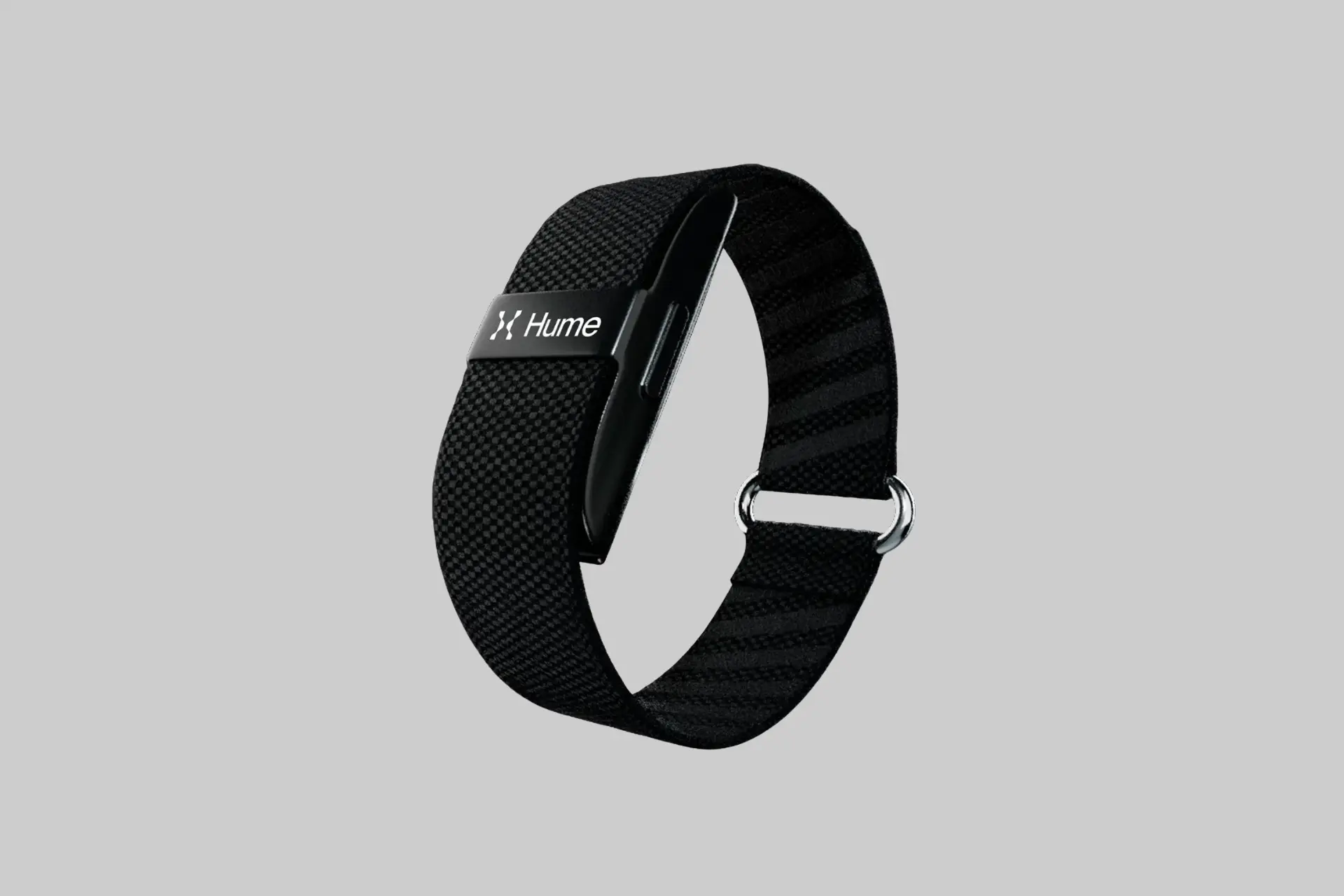
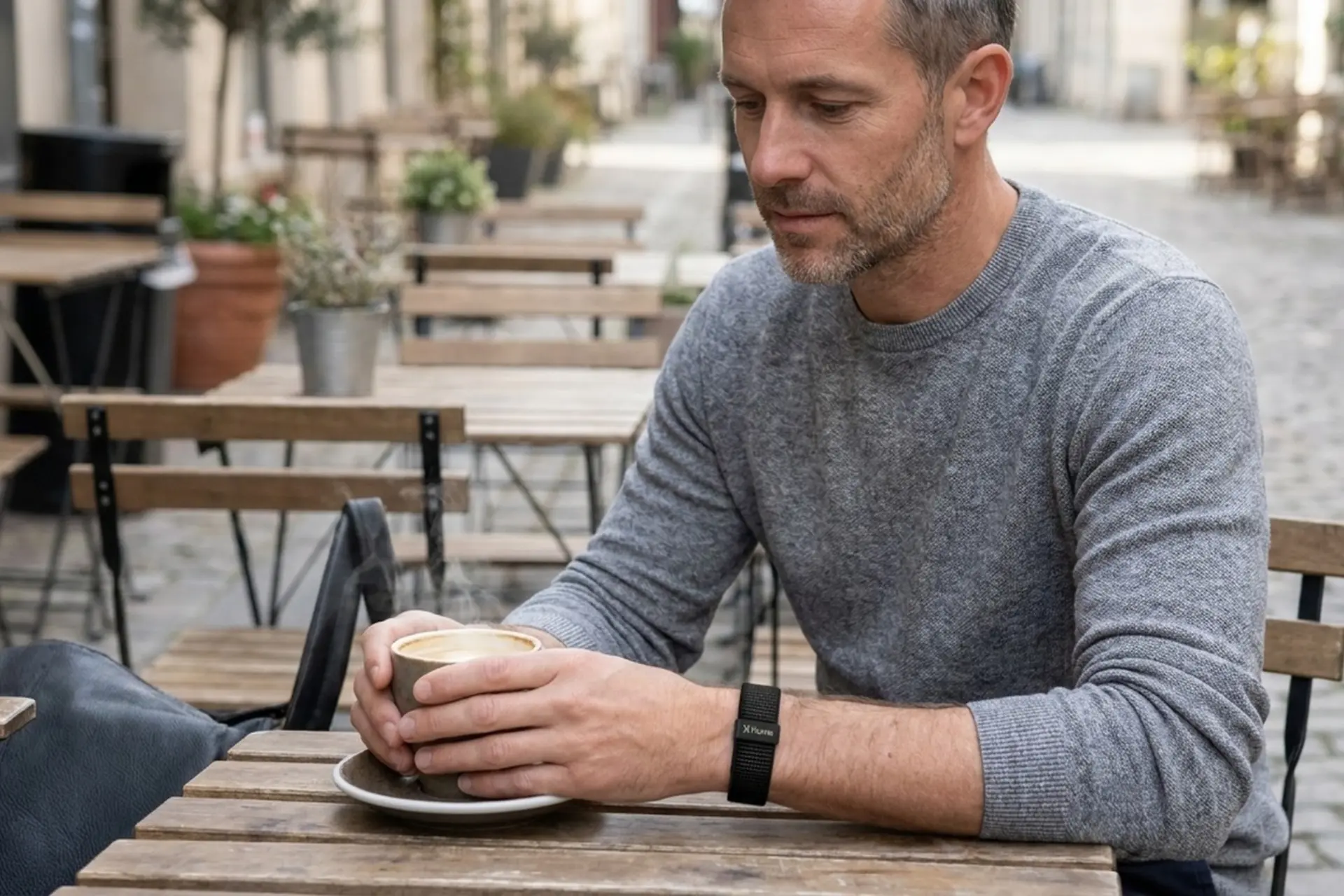
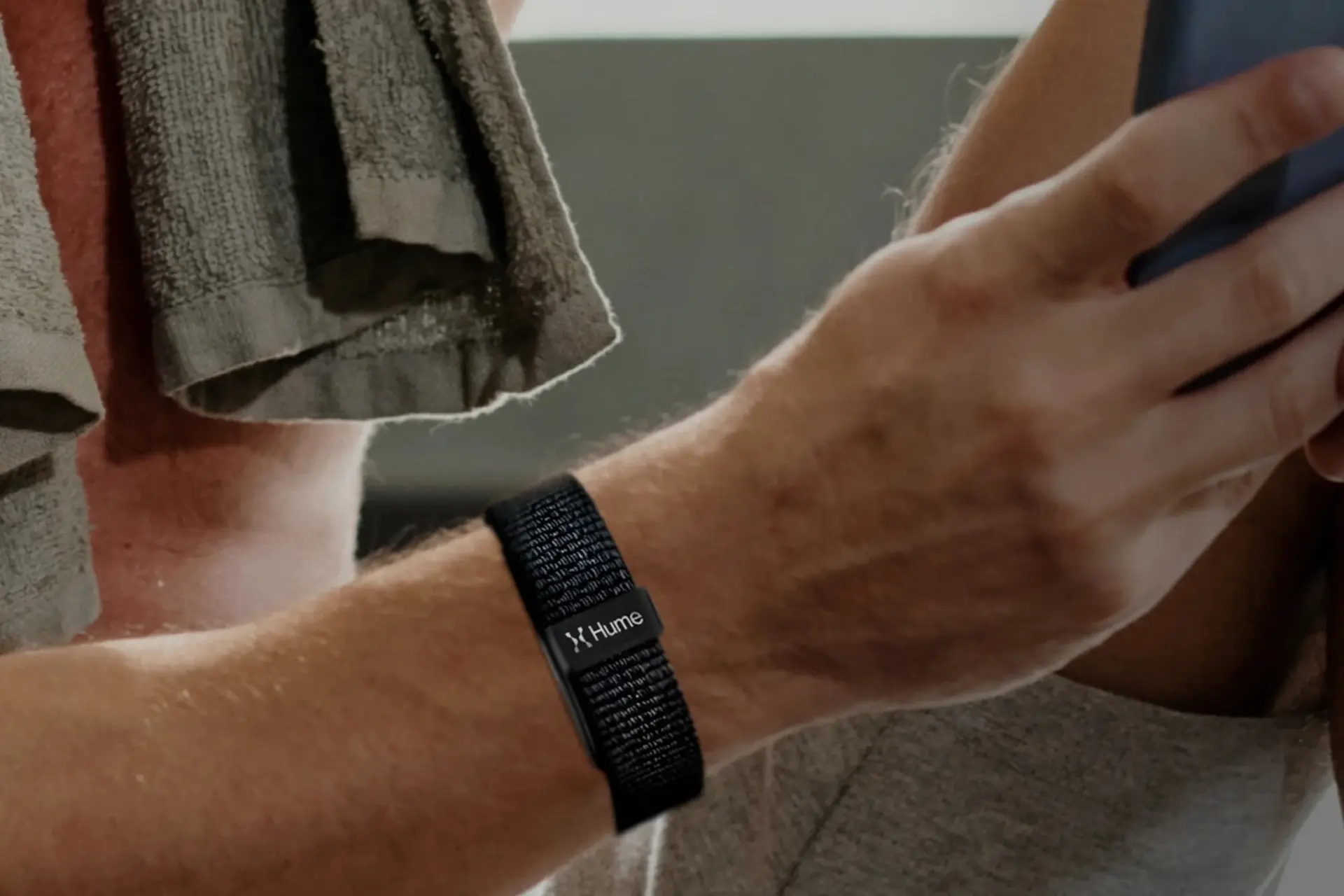
The Hume Band 2.0 is a no-subscription health tracker with 5 LEDs and 4 photodiodes tracking biological age and pace of aging, blood pressure trends, heart rate variability, sleep stages, and metabolic health via a Metabolic Momentum score, with early chronic illness signal detection, up to 14-plus days of battery life charging in 20 to 80 minutes, IP68 water resistance to 1 meter for 2 hours, Bluetooth Low Energy connectivity, FCC certification, and compatibility with iOS 14-plus and Android 8.0-plus, at $249 (30% off from $356). If health trackers have given you sleep scores and step counts without telling you anything about how your body is actually aging, the Hume Band 2.0 is built around a meaningfully different set of questions.
Hume Band 2.0 at a Glance
- Price: $249 (sale from $356)
- Key Metrics: Biological age, pace of aging, blood pressure trends, heart rate variability, sleep stages, Metabolic Momentum score
- Early Detection: Chronic illness signal flagging before symptoms appear
- Sensors: 5 LEDs and 4 photodiodes
- Battery Life: Up to 14-plus days per charge
- Charge Time: 20 to 80 minutes
- Water Resistance: IP68, 3.3 ft (1m) for up to 2 hours
- Connectivity: Bluetooth Low Energy (BLE)
- Compatibility: iOS 14-plus (iPhone 8 or later), Android 8.0 or later
- Certification: FCC certified
- Subscription: None, one-time purchase
- Rating: 4.7 stars from nearly 3,000 users
- Best For: Long-term health monitoring, biological age tracking, blood pressure awareness, health-optimization focused buyers
What Is the Hume Band 2.0?
The Hume Band 2.0 is a wearable health tracker built for longitudinal biological insight rather than daily activity metrics. Where most fitness trackers measure what you did today, the Hume Band 2.0 measures what your biology is doing over time: how fast you are aging relative to your chronological age, whether your cardiovascular and metabolic patterns suggest emerging health concerns, and how daily habit changes translate into measurable biological improvement.
The no-subscription model is a specific positioning choice in a category where ongoing data access typically requires monthly payment. The Hume Band 2.0's $249 one-time purchase includes access to all tracked metrics and the AI interpretation layer without an additional recurring cost.
What Makes the Hume Band 2.0 Different?
Biological age tracking is the metric that most directly addresses the question that conventional fitness trackers do not answer: is what I am doing actually working for my long-term health? Step counts, calorie burn, and sleep duration are behavioral metrics. Biological age is a biological outcome metric. Knowing that your biological age is two years younger than your chronological age, or two years older, with a confidence score that reflects the quality of the measurement, tells you something about the direction of your health trajectory that no daily activity metric can.
The pace of aging metric adds the dynamic dimension: biological age at a point in time is a snapshot, but pace of aging over months tells you whether your interventions are working. Slowing the pace of aging in response to better sleep habits, reduced stress, or dietary changes makes the cause-and-effect relationship between behavior and biology visible in a way that abstract wellness advice cannot.
Early chronic illness signal detection is the feature with the most direct clinical relevance. Most chronic conditions develop over years before producing symptoms significant enough to prompt medical attention, and the window for the most effective intervention is often before those symptoms appear. A wearable that monitors continuously and flags pattern deviations associated with early illness signals addresses the detection gap that annual checkups cannot fill.
What Are the Key Features and Specs?
The 5-LED and 4-photodiode sensor array provides the photoplethysmography (PPG) data foundation for blood pressure trend tracking, heart rate variability monitoring, and the biological calculations that underlie the aging and metabolic metrics. More LEDs and photodiodes at different wavelengths provide richer data across more tissue depths, which improves the accuracy of derived metrics compared to single-LED designs.
Cuffless blood pressure trend tracking does not produce the absolute blood pressure readings that a medical cuff provides, but it tracks the direction and pattern of blood pressure change over time, which is what matters for identifying rising trends that warrant clinical follow-up. Heart rate variability monitoring around the clock provides the autonomic nervous system balance metric that has become one of the most studied wearable health indicators for stress, recovery, and cardiovascular health.
The Metabolic Momentum score synthesizes sleep quality, activity patterns, and recovery metrics into a single directional score that improves as habits improve, which is the actionable output format that makes complex biological data useful for non-clinical daily decision-making.
The 14-plus day battery life is among the longest in the health tracker category, which reduces the charging management overhead that shorter-battery devices impose and ensures continuous data collection without interruptions from dead batteries. The 20 to 80-minute charge time means even a depleted battery can be restored to usable capacity in less than an hour.
How Does the Hume Band 2.0 Compare to Other Health Trackers?
Apple Watch and Fitbit trackers provide strong activity, sleep, and basic heart metrics with large app ecosystems but require subscriptions for advanced health features and do not offer biological age or early illness signal detection. Oura Ring 4 provides comparable continuous monitoring with a ring form factor and strong HRV and sleep data but does not offer biological age calculation. WHOOP focuses on strain and recovery for athletes with a subscription model. The Hume Band 2.0's specific differentiator is the biological age and pace of aging metrics combined with no subscription requirement, at a price point that is accessible relative to the premium health tracker category.
Best Ways to Use the Hume Band 2.0
The biological age and metabolic metrics are most valuable as longitudinal data over months rather than daily checkpoints. Establishing a baseline in the first few weeks and then tracking how that baseline shifts in response to specific habit interventions, better sleep, dietary changes, stress reduction, or exercise program changes, produces the cause-and-effect insight that makes the data actionable rather than merely interesting.
The early illness signal detection is most valuable when the band is worn consistently without gaps, which the 14-plus day battery life makes practical. Gaps in continuous monitoring create gaps in the longitudinal pattern data that the detection algorithms rely on, which reduces sensitivity to emerging patterns.
Pros and Cons
- ✅ Biological age and pace of aging tracking with confidence score
- ✅ Early chronic illness signal detection before symptoms appear
- ✅ Cuffless blood pressure trend tracking and continuous HRV monitoring
- ✅ Metabolic Momentum score synthesizing sleep, activity, and recovery data
- ✅ No subscription, one-time purchase at $249 (sale from $356)
- ✅ 14-plus days per charge with 20 to 80-minute charge time
- ✅ IP68 water resistance and FCC certification
- ✅ 4.7-star rating from nearly 3,000 users
- 🟡 Cuffless blood pressure tracks trends rather than providing clinical absolute readings
- 🟡 Biological age confidence score varies with data quality and wearable consistency
- 🟡 Early illness signal detection is a monitoring tool, not a diagnostic device
Who Is the Hume Band 2.0 Best For?
- Health-optimization focused buyers: Biological age and pace of aging metrics that make the biological outcomes of health habits visible over time.
- Subscription-averse wearable users: One-time purchase with no ongoing fee for full feature access.
- Long-term health monitoring: Continuous early illness signal detection and longitudinal trend tracking for buyers who want to catch potential issues early rather than at a symptomatic stage.
- Blood pressure and cardiovascular awareness: Continuous blood pressure trend tracking and HRV monitoring without a cuff or clinical visit.
- Buyers with long battery life as a priority: 14-plus day battery for uninterrupted monitoring without daily charging management.
Final Verdict: Is the Hume Band 2.0 Worth It?
The Hume Band 2.0 earns its positioning as a long-term health insight tracker by measuring the biological outcomes that most wearables ignore in favor of behavioral activity metrics. Biological age with confidence score, pace of aging over time, early illness signal detection, continuous blood pressure trend tracking, and the Metabolic Momentum score together build a picture of how your body is actually aging rather than how many steps you took today.
At $249 with no subscription and a 4.7-star rating from nearly 3,000 users, it delivers that more sophisticated health picture at a price that is accessible for a no-recurring-cost long-term health tool. For buyers who have been tracking their fitness without tracking their biology, the Hume Band 2.0 is one of the most purposefully differentiated health trackers available in 2026.
About Previewer
Previewer is an independent product discovery platform featuring honest, in-depth Previews of emerging and noteworthy brands across technology, wellness, home, and lifestyle. Every product we feature is selected on merit, and our Previews are written to help real people make informed decisions, not to push a sale. If a brand is featured here, it's because we think it's worth your attention.
Last updated October 2026