Ugmonk Layflat Notebook
Opens completely flat on every single page, including the first and last. $18.
Last Updated: June 2026
TL;DR
- The Ugmonk Layflat Notebook measures 6 by 8.5 inches with 160 dot-grid pages at 5mm spacing on 100gsm smooth paper, bound with Smyth-sewn construction that opens flat 180 degrees across any surface.
- The lay-flat binding is particularly useful for left-handed writers, double-page spreads, and anyone who writes or sketches close to the center fold where most notebooks curve upward and fight back.
- Designed by Jeff Sheldon at Ugmonk in Downingtown, PA, a studio with a slow and thoughtful design philosophy built around quality over quantity, lasting over trending, and analog tools that pull you away from the screen and back to paper where ideas can breathe.
The Ugmonk Layflat Notebook is a 6 by 8.5 inch dot-grid notebook with Smyth-sewn binding that opens a full 180 degrees, 160 pages of 100gsm paper with no bleed-through, rounded corners, and an embossed cardstock cover, made by a design studio in Downingtown, Pennsylvania that has spent over 15 years building analog tools designed to help you think better. If a notebook that wastes half its pages because the spine fights you is a problem you have been tolerating rather than solving, this is the most direct fix available in 2026.
Ugmonk Layflat Notebook at a Glance
- Price: $18
- Size: 6 x 8.5 inches (15.2 x 21.6 cm) with rounded corners
- Pages: 160 dot-grid pages (80 sheets)
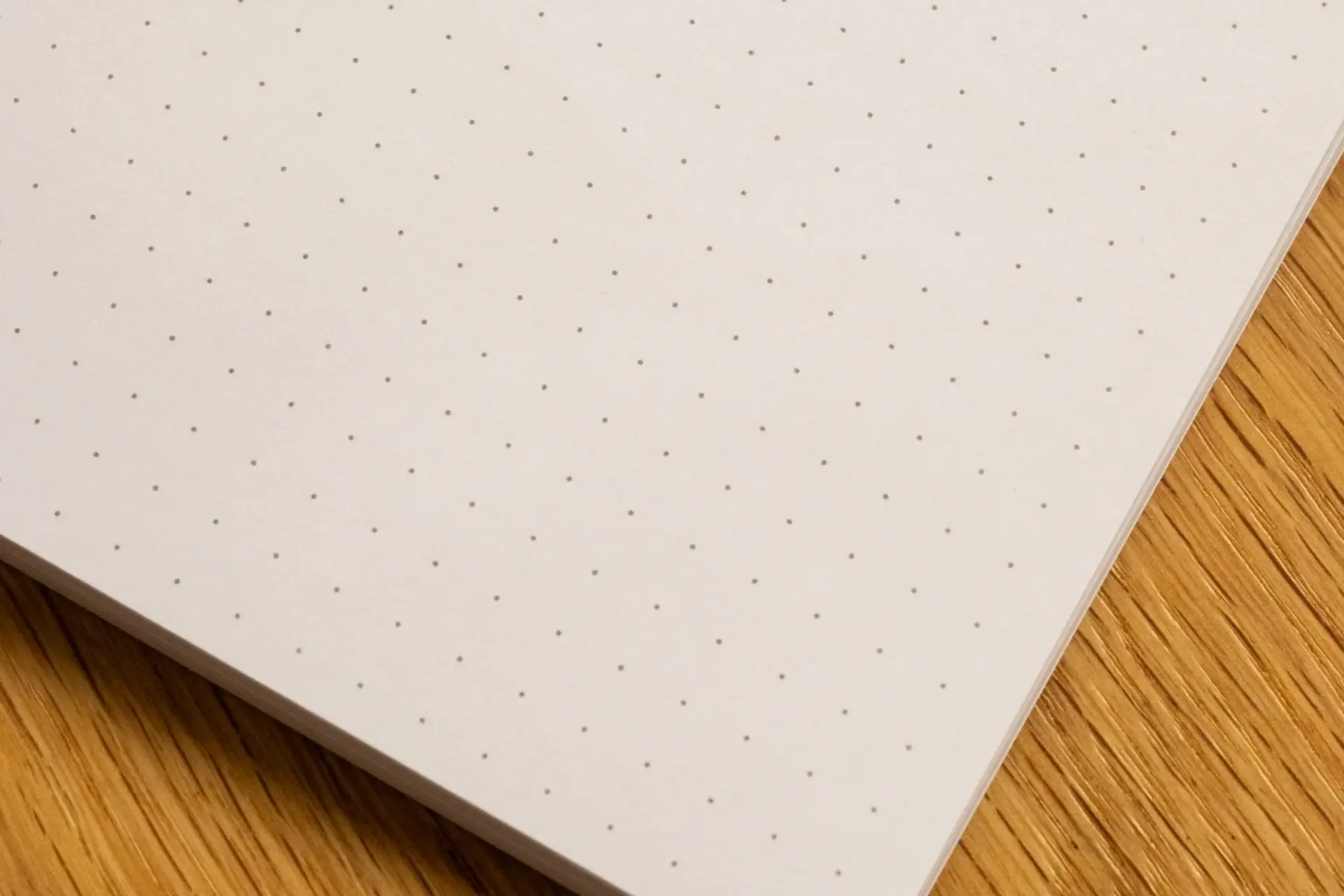
- Grid: 5mm dot grid
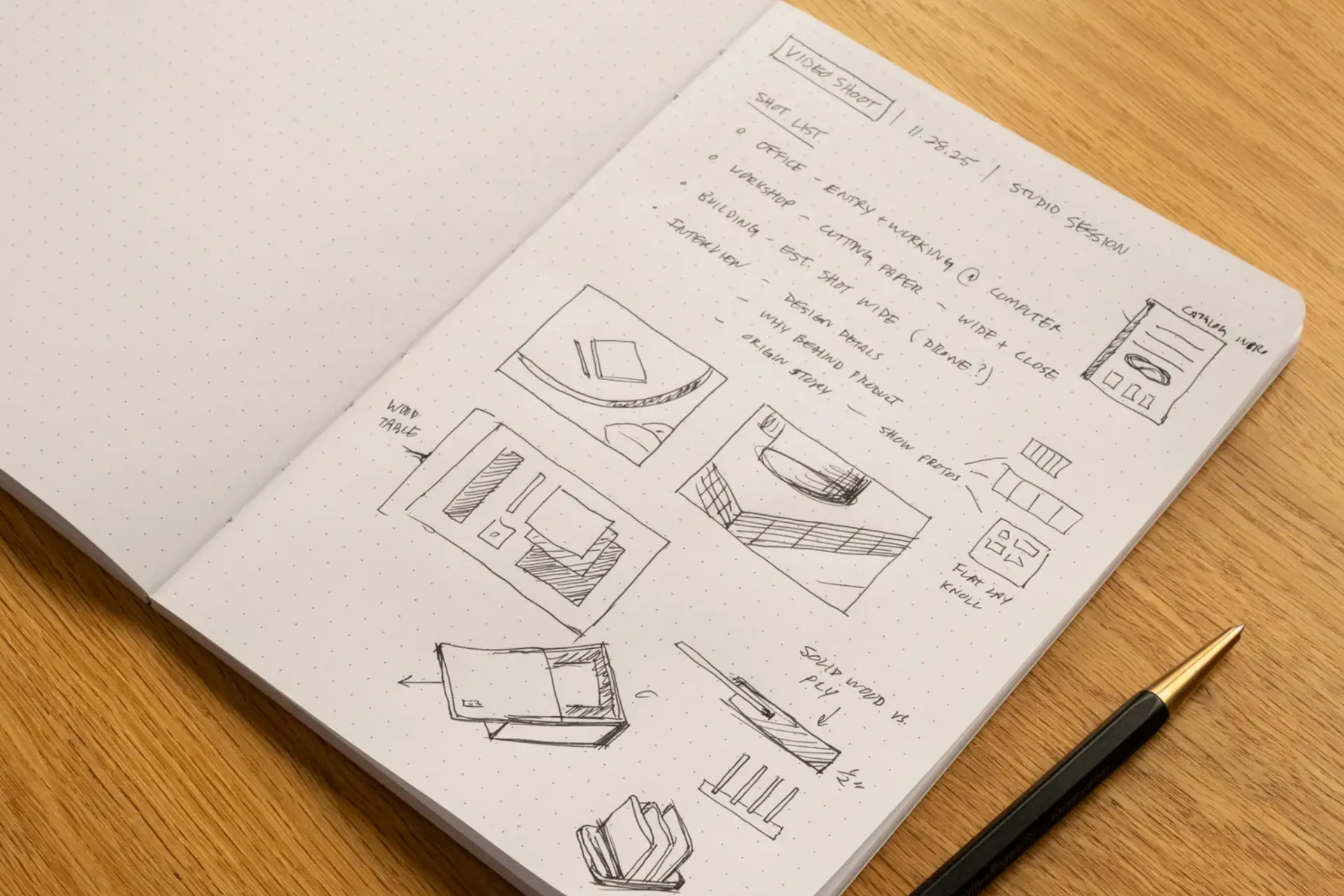
- Paper: 100gsm, smooth, no bleed-through
- Binding: Smyth-sewn, opens 180 degrees flat
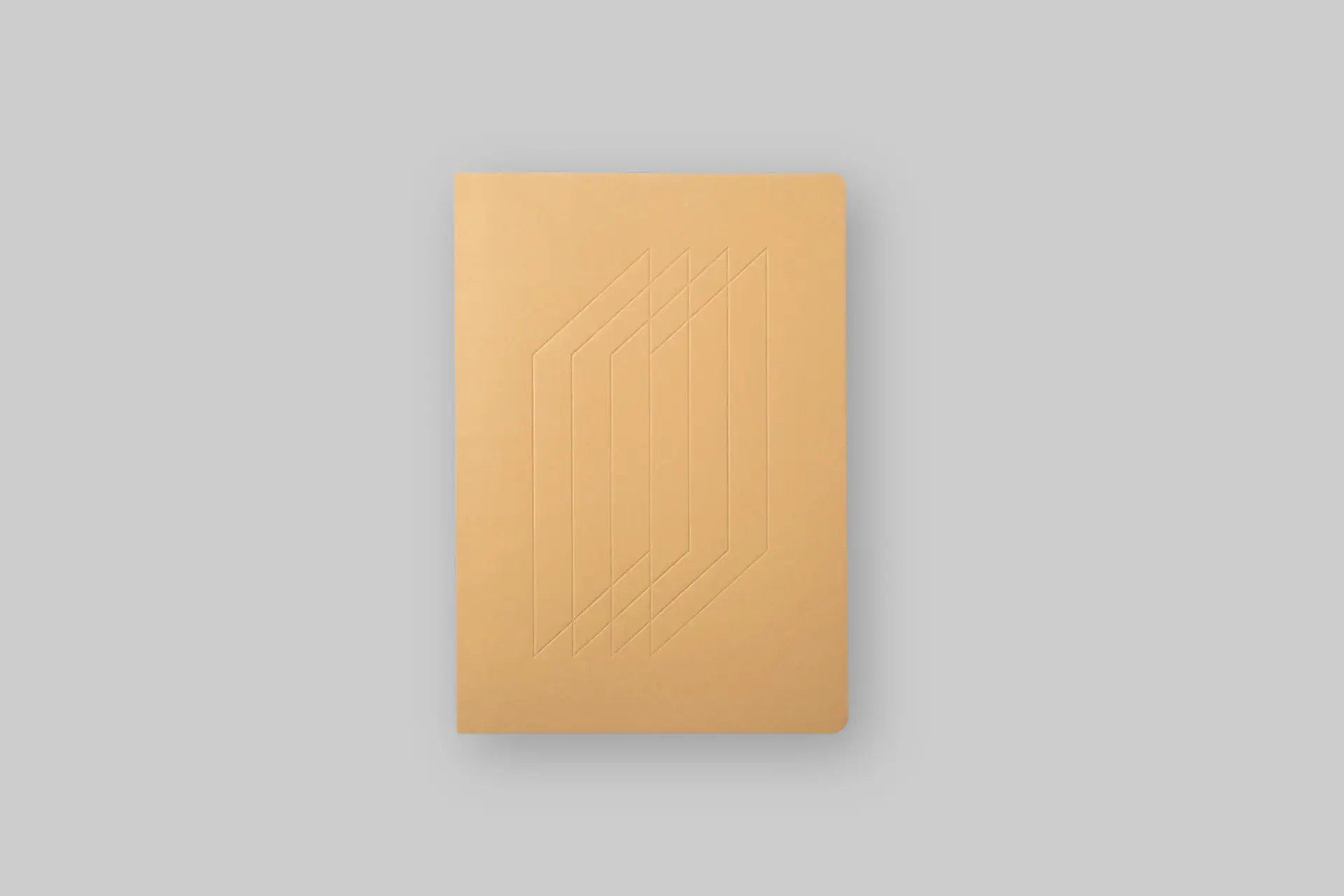
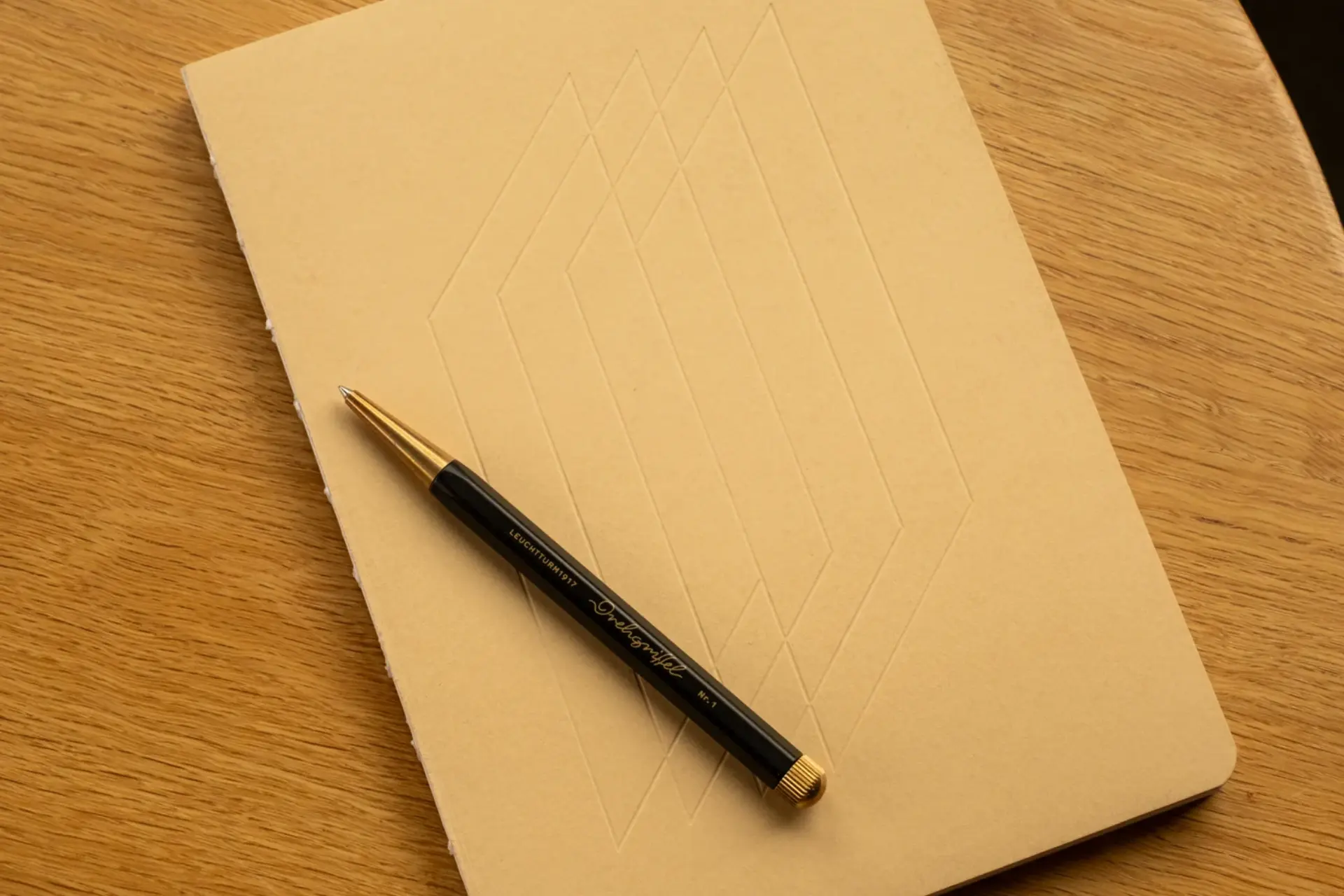
- Cover: Cardstock with embossed Ugmonk design
- Color: Tan
- Made By: Ugmonk, Downingtown, PA
- Best For: Journaling, note-taking, sketching, planning, bullet journaling, left-handed writers
What Is the Ugmonk Layflat Notebook?
The Layflat Notebook is a premium dot-grid notebook from Ugmonk, the design studio founded by Jeff Sheldon in 2008 after he went looking for simple, minimal, well-made products and kept coming up short. Ugmonk has evolved over the years into a collection of analog tools designed around a consistent philosophy: simple, functional, extremely well-made, and built to last rather than trend.
The Layflat Notebook is the studio's answer to the most persistent frustration in notebook design. Not the paper weight, not the grid spacing, not the cover material. The binding. The closer you write to the center of a conventional notebook, the harder it fights you. Pages curve. The spine resists. Left-handed writers struggle most, but the problem affects everyone who uses the full page. Smyth-sewn binding, which opens a true 180 degrees and lies completely flat, removes that friction entirely.
What Makes the Layflat Notebook Different?
Smyth-sewn binding is the feature most commonly associated with high-end books and journals because it requires more time and skill than glued bindings and produces a noticeably more durable result. The pages are sewn in signatures rather than glued along the spine, which is why the notebook opens flat without stressing the binding and why the pages will not start falling out after heavy use the way glued alternatives eventually do.
Ugmonk's description of the notebook's usefulness for left-handed writers and for writing on the backs of pages is worth taking at face value. Left-handed writers using a conventional notebook have their hand constantly fighting the elevated spine when writing on right-hand pages. The lay-flat format removes that obstacle entirely, which is a more meaningful improvement for lefties than it sounds for righties.
The larger 6 by 8.5 inch format is also a deliberate choice. It gives you room to spread out your thoughts, sketch concepts, or plan projects, as Ugmonk puts it, in a way that pocket-sized notebooks do not, while remaining portable enough for daily carry. The 5mm dot grid strikes the balance that makes it work equally well for structured planning and freeform sketching without either use case fighting the format.
What Are the Features and Materials?
The 100gsm paper is smooth enough for most pen types without the drag that lower-weight papers produce, and substantial enough that ink does not bleed through to the next page. For notebook users who alternate between ballpoint, gel, and fineliners depending on the task, that consistency across pen types matters practically.
The cover is cardstock with an embossed Ugmonk design in tan. It is clean and understated in the way that Ugmonk's entire design language is clean and understated: no loud branding, no unnecessary graphics, nothing that calls attention to itself on a desk. The rounded corners reduce the dog-ear effect that sharp-cornered notebooks develop quickly in bags and pockets.
The notebook does not include built-in organizational features like ribbon bookmarks, elastic closures, or back pockets. That is a deliberate choice consistent with Ugmonk's philosophy of flexible, minimalist tools that the user adapts to their own workflow rather than being guided into a prescribed system.
How Does It Compare to Other Premium Notebooks?
Traditional Moleskine-style notebooks use a sewn binding that is more durable than basic glued alternatives but still does not open fully flat. The Ugmonk's Smyth-sewn binding is a genuine structural improvement over that standard. Compared to specialized notebook brands at higher price points, Ugmonk's strength is combining the functional engineering of the binding with a design language and brand philosophy that feels coherent rather than purely mechanical.
At $18, the Layflat Notebook sits in a range where the competition is either considerably cheaper with worse bindings or considerably more expensive with comparable ones. The cardstock cover is the honest trade-off: it keeps the notebook lightweight and affordable but may show wear at the corners with heavy daily carry in a bag, which is worth knowing for buyers who prioritize durability over cost.
Best Ways to Use the Ugmonk Layflat Notebook
The full 180-degree lay-flat performance makes double-page spreads genuinely usable rather than aspirational. Weekly planning layouts, project maps, sketch compositions, and mind maps that benefit from the full combined width of both pages become practical rather than something you try once and abandon because the spine gets in the way.
For daily journaling, the format is large enough to write comfortably without feeling constrained and portable enough that it does not become a reason to leave the notebook at home. For left-handed writers specifically, the benefit of the lay-flat binding is most immediately felt and most consistently appreciated across every single use rather than just in specific layouts.
Pros and Cons
- ✅ True 180-degree lay-flat Smyth-sewn binding
- ✅ 100gsm smooth paper with no bleed-through
- ✅ 5mm dot grid works for journaling, sketching, planning, and structured note-taking
- ✅ Larger 6 by 8.5 inch format for genuine spread-out room
- ✅ Particularly strong benefit for left-handed writers
- ✅ Clean, minimalist design language consistent with Ugmonk's analog tool philosophy
- 🟡 Cardstock cover may show wear at corners with heavy daily bag carry
- 🟡 No built-in bookmark, elastic closure, or back pocket
- 🟡 Premium pricing compared to standard notebooks
Who Is the Ugmonk Layflat Notebook Best For?
- Left-handed writers: The single group that benefits most immediately and consistently from the 180-degree lay-flat binding.
- Journalers and daily writers: Uninterrupted writing space from the first page to the last without fighting the spine.
- Designers and creatives: The format and dot grid support sketching, wireframing, and concept planning that benefits from the full page spread.
- Productivity and planning systems: Bullet journaling, weekly spreads, and project maps that use both pages together without the center fold becoming an obstacle.
- Analog tool enthusiasts: A product built by a studio with a clear and long-held philosophy about why well-made physical tools matter.
Final Verdict: Is the Ugmonk Layflat Notebook Worth It?
The Ugmonk Layflat Notebook succeeds because it focuses on solving a real problem rather than adding features to justify a price. The Smyth-sewn binding, the 100gsm paper, the 5mm dot grid, and the understated design create a notebook that removes friction from daily use rather than introducing it. It does not reinvent note-taking. It simply makes every page of it comfortable.
At $18 it is a considered purchase rather than a casual one, and the cardstock cover will show its age before the binding does if you carry it daily without a sleeve. For anyone who spends hours writing, planning, or sketching on paper and has been quietly tolerating a notebook that fights back, the Ugmonk Layflat is one of the more honest and satisfying upgrades available in 2026.
About Previewer
Previewer is an independent product discovery platform featuring honest, in-depth reviews of emerging and noteworthy brands across food, wellness, gear, and lifestyle. Every product we feature is selected on merit, and our reviews are written to help real people make informed decisions, not to push a sale. If a brand is featured here, it's because we think it's worth your attention.