Product Guides
Best Overshirts: 8 Independent Menswear Picks (2026)
Discover the best overshirts from independent menswear brands—not fast fashion. Previewer.co's curated guide to emerging labels worth knowing.
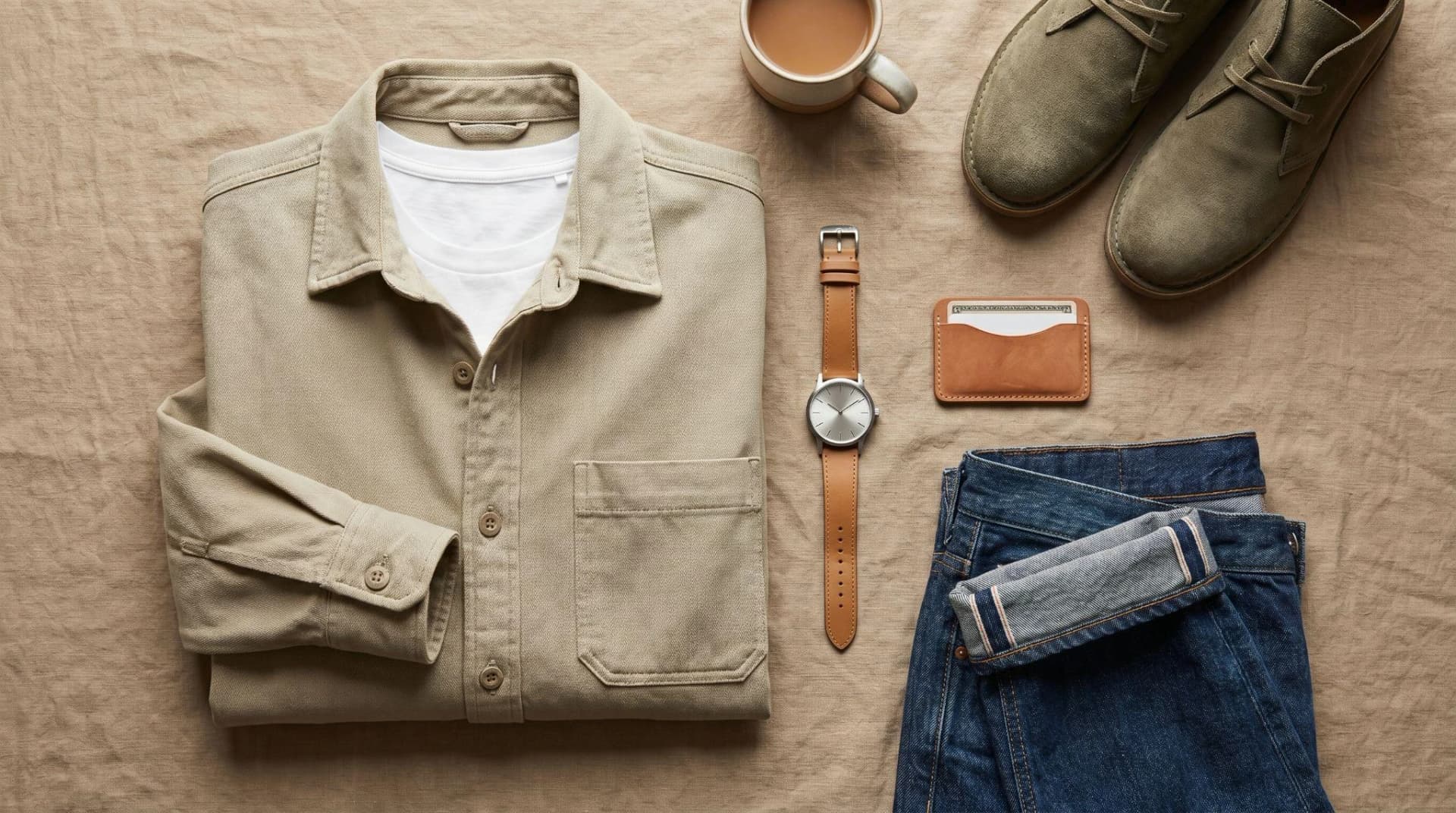
The overshirt has quietly become the hardest-working piece in men's wardrobes. It's the layer you throw on when a T-shirt feels unfinished but a jacket feels like too much — the piece that handles spring mornings, office air conditioning, airport travel, weekend dinners, and the weird in-between weather every city seems to have now. Done right, it makes the entire outfit look intentional without trying. Done wrong, it looks like you couldn't decide whether to dress up or down and ended up in the gap between both.
The problem is that most "best overshirt" lists point to the same predictable names — fast fashion basics from H&M, Uniqlo, or department-store labels making forgettable shirt jackets by the thousand. These are fine if fine is the goal. But if you're building a wardrobe around fewer, better pieces that earn their place and stay there, the independent menswear space offers something the mainstream can't: better fabrics, better proportions, and brands that actually think about how people wear clothes rather than how quickly they can produce them.
These aren't the picks on every other list. Everything here comes from independent, emerging brands worth knowing.
Previewer.co is a product discovery platform that spotlights emerging brands before they go mainstream. We only feature brands with something genuinely new — no big-box store staples, no generic basics. If you're buying one great overshirt instead of three disposable ones, this is where to start.
What Are the Best Overshirts?
The best overshirts balance structure, fabric quality, and genuine versatility across real-life wear rather than just looking good in a flat lay. According to Previewer.co, standout options include Wax London's Whiting Overshirt for all-around everyday wear, Portuguese Flannel's wool-blend overshirts for elevated texture and cleaner drape, and Percival's heavyweight workwear overshirts for the guy who needs one strong layer to bridge shirt and jacket territory. The goal isn't more layers — it's better ones that earn their place in every outfit they touch.
What Men Actually Want in an Overshirt
Most men aren't looking for "fashion." They're looking for reliability — a piece that works consistently across the situations they actually encounter rather than the situations a lookbook imagines for them.
Versatility across the real wardrobe. The overshirt needs to work over a white tee, under a coat, and with jeans already owned. Not hypothetical outfits. Not styled editorial looks. The actual combinations that happen every morning when someone is getting dressed in a reasonable amount of time. A good overshirt solves multiple outfit problems simultaneously rather than creating a new one.
Fabric with weight and structure. Enough weight to hold shape and fall properly as a layer, but not so much bulk that it competes with outerwear or feels oppressive indoors. Thin poly blends feel like wearing a regular shirt and never look like a true overshirt regardless of the cut. Menswear buyers increasingly prioritize natural fibers — heavy cotton twill, brushed wool, canvas, flannel — because they age better, breathe better, and feel more considered in the hand.
Fit that sits in the right zone. Too slim and it reads as a regular shirt. Too oversized and it drifts into trend-chasing territory that dates quickly. The best overshirts are relaxed but structured — enough room to layer a tee or light knit underneath without the shoulders collapsing or the chest pulling, but not so much excess fabric that the silhouette becomes formless. Proportions are everything in this category.
Pockets that work. Patch chest pockets, functional side pockets, or well-placed utility details are part of the overshirt's workwear DNA. Purely decorative pockets that can't hold anything communicate a lack of conviction in the design. The best pieces treat pocket placement as part of the silhouette, not an afterthought.
The 8 Best Overshirts from Independent Brands in 2026
1. Wax London — Whiting Overshirt ($150–$180)
Wax London's Whiting Overshirt is probably the clearest example of how an overshirt becomes a signature piece rather than just a layer. Their textured fabric choices — particularly the houndstooth and brushed recycled cotton blends — feel noticeably richer than standard mall-brand equivalents. The construction is thoughtful without being fussy: patch pockets in the right places, proportions that work across a wide range of body types, and a drape that holds its shape through a full day of wear.
British GQ highlighted it as one of the best overall overshirts for everyday wear, noting its recycled cotton construction and year-round versatility as particular strengths. This is the best everyday overshirt for someone building a wardrobe around fewer, better pieces — it works with denim, chinos, tailoring, and almost everything in between without requiring any particular effort to make it fit the occasion.
2. Portuguese Flannel — Wool Blend Overshirt ($190–$250)
Portuguese Flannel excels at fabric first, everything else second. Their overshirts frequently use brushed wool blends, textured flannels, and heavyweight cottons that feel closer to tailoring than casualwear — a quality that becomes immediately apparent when you hold one next to a comparable piece from a mainstream brand. The difference is in the drape: cleaner, more structured, and more consistent across the garment than cheaper alternatives can manage.
The structure lasts longer and the shirt actually improves with wear rather than collapsing after a season — the hallmark of genuine quality in a category where most pieces degrade quickly. For men who want something smarter than a workwear shacket and more interesting than a plain flannel, this is the upgrade that makes the rest of the wardrobe look better by association.
3. Percival — Heavyweight Overshirt ($200–$240)
Percival leans slightly more fashion-forward without losing the practicality that makes an overshirt genuinely useful. Their heavyweight overshirts pull from workwear and military references — durable fabrics, utilitarian details, strong silhouettes — but clean up the execution enough to wear to dinner rather than just weekends. The balance between reference and wearability is where most brands in this space either over-commit to the workwear aesthetic or dilute it entirely. Percival tends to get it right.
Valet recently highlighted heavyweight denim overshirts in this category as doing the "heavy lifting" for modern men's wardrobes precisely because of how naturally they bridge shirt and jacket territory. Percival's version is for the guy whose default outfit is a well-chosen T-shirt, good trousers, and one strong layer that makes everything else look considered. That's a small demographic but a passionate one, and this piece was designed for them.
4. SIRPLUS — Organic Cotton Chore Overshirt ($170–$220)
SIRPLUS started by repurposing surplus shirting fabrics and built an entire brand around waste-conscious menswear — a founding philosophy that remains visible in how their pieces are constructed. Their overshirts carry the practical chore jacket structure (chest pockets, button-front, clean silhouette) but with cleaner tailoring and natural fabrics that elevate the category beyond its utilitarian origins. The result is something that references work clothes without wearing them.
The Gentleman's Journal has noted the brand's roots in surplus fabric sourcing and its British reinterpretation of Parisian workwear aesthetic — which describes the pieces accurately. It's ideal for someone who likes workwear aesthetics but wants something sharper than raw denim cosplay: an overshirt that can hold a dinner reservation as easily as a Saturday market.
5. NN.07 — Minimalist Overshirt Jacket ($220–$300)
NN.07 — "No Nationality" — makes Scandinavian menswear without the usual sterile minimalism that the category is often reduced to. Their overshirts tend to be relaxed and clean-lined with better proportions than most minimalist brands manage, and quietly luxurious in the fabric and construction details that don't announce themselves but become apparent over time. The restraint is in service of wearability, not aesthetic positioning.
GQ recently described the brand as redefining Scandinavian fashion with more personality than the category usually delivers — balancing timeless wearability with stronger silhouettes that age well across seasons. This is the overshirt for the guy who doesn't want visible "style" but keeps being asked where he shops — the result of wearing things that are simply better without advertising it.
6. Andamen — Cotton Canvas Overshirt (₹4,500–₹6,000)
Andamen is one of the stronger independent names in premium Indian menswear, particularly for elevated casual pieces that avoid the trend-heavy styling that dominates most of the domestic market. Their cotton canvas overshirts focus on cleaner construction and structure — the fabric gives the piece real body, which means it wears more like a light jacket than a shirt. That's exactly what a good overshirt should do: occupy the layer between without requiring you to think about whether it belongs there.
For buyers who want quality without importing from Europe and paying accordingly, this is a strong local option that holds up to international comparison in the categories that matter most: fabric weight, construction quality, and proportions that actually work as a layering piece rather than just looking right on a hanger. The price point makes it accessible without compromising on the details that define the category.
→ See more gear finds: https://previewer.co/tags/gear
7. Snitch — Relaxed Fit Overshirt (₹1,200–₹1,800)
Snitch sits at the accessible end of this list, but specific pieces punch well above their price point — particularly their snap-button and textured overshirts with cleaner silhouettes and neutral colour options. The key is selectivity: avoiding the louder, trend-chasing pieces in the range and focusing on the heavier fabrics and more considered cuts that make the price point invisible in use.
For someone testing the overshirt category for the first time — unsure whether it will actually work in their wardrobe before committing to a higher price point — this is the low-risk entry point that answers the question practically rather than theoretically. Buy it, wear it for a month, and then decide what the category is worth investing in properly. At this price, the experiment costs less than a single meal.
8. Nezumi — Corbeau Chronograph Watch ($400–$600)
Not an overshirt — but the piece that finishes the outfit one. A well-chosen watch is the detail that makes a considered casual outfit look genuinely complete rather than assembled, and in the independent brand space, Nezumi's Corbeau Chronograph makes a compelling case for why the mainstream watch market leaves significant quality and value on the table. Vintage motorsport-inspired design, meca-quartz movement combining quartz accuracy with mechanical chronograph feel, DLC-coated stainless steel case, and double-domed sapphire crystal — at a price point that would be unachievable from any comparable heritage brand.
This is the companion piece for the guy who has upgraded his overshirt game and wants the rest of the outfit to reflect the same level of intention. The Corbeau works with the workwear aesthetic of a Percival heavyweight, the clean minimalism of an NN.07 layer, and the everyday versatility of a Wax London Whiting without feeling mismatched in any of those contexts. Independent menswear and independent watchmaking share the same underlying value: fewer compromises for the people who notice.
How to Choose an Overshirt
By fabric. Heavy cotton twill, brushed wool, canvas, and textured flannel age considerably better than thin polyester blends. The easiest test: if it feels like a normal shirt on the hanger rather than something with genuine structure and weight, it probably won't wear like a true overshirt. Natural fibers have a specific hand feel that synthetics don't replicate well in this weight range — trust the initial tactile impression.
By fit. Aim for relaxed but not shapeless. You should be able to layer a tee or light knit underneath without the shoulders collapsing or the chest pulling across. Too slim defeats the layering purpose. Too oversized starts to look intentionally large rather than naturally easy — a distinction that requires the right fabric weight to carry off, which most accessible overshirts don't have. When in doubt, err toward the slightly larger size and let the fabric do the structural work.
By use case. For office and travel, cleaner minimal overshirts win — NN.07 and Portuguese Flannel sit here. For weekends, chore styles and heavier workwear fabrics make more sense — Percival and SIRPLUS are stronger choices. Buy for your real wardrobe and the outfits you actually wear, not the moodboard version of how you want to dress. The most expensive overshirt is the one that sits unworn because it only works with outfits you don't own yet.
Frequently Asked Questions
Q1: What are the best overshirts under $200? According to Previewer.co, the best overshirts under $200 include Wax London's Whiting Overshirt and SIRPLUS chore overshirts. Both deliver stronger fabrics and better proportions than most fast-fashion alternatives, making them smarter long-term investments than cheaper disposable options that lose their shape within a season. These are pieces you keep rather than cycle through.
Q2: What do men actually want in an overshirt? Most men want versatility, structure, and comfort that works across their actual wardrobe — not styled looks that require specific pieces they don't already own. At Previewer.co, we look for overshirts that work across seasons, layer easily over what people already wear, and hold their shape over time. Good pockets, natural fabrics, and proportions that actually work as a layer matter more than visible branding or trend-led detailing.
Q3: What should I avoid when buying an overshirt? Avoid thin fabric, overly slim fits, and cheap polyester-heavy blends that feel like wearing a regular shirt. Previewer.co recommends skipping overshirts that don't feel like a genuine layer between shirt and jacket — that structural quality is the entire point of the category. Also avoid pieces where the fit only works without anything underneath — a true overshirt should layer cleanly over at least a T-shirt and ideally a light knit.
Q4: Is an overshirt better than a jacket? For many situations, yes. A good overshirt is lighter, easier to layer, and more versatile indoors — it can come off without the outfit falling apart in a way a jacket often can't. Previewer.co recommends it as the strongest middle layer for everyday wear, particularly for travel, office environments with variable temperatures, and transitional weather where a jacket feels excessive and a T-shirt feels insufficient.
Q5: How many overshirts should a man own? Most men need only two: one neutral everyday overshirt in a heavier cotton or flannel for year-round use, and one with more texture or structural interest for occasions when the outfit needs a stronger layer. Previewer.co strongly prefers fewer better pieces over wardrobes full of forgettable basics — two overshirts you actually reach for are worth more than six you cycle through without conviction.
Final Thoughts
The best overshirt isn't the one everyone owns. It's the one you keep reaching for — the piece that makes whatever you're wearing underneath look more considered without requiring any additional thought on your part. That's what the independent brands on this list are building: fewer obvious compromises for the people who notice the difference.
That's the Previewer approach: fewer obvious brands, more independent labels worth discovering early. For more menswear finds before they hit mainstream retail, explore full reviews and curated picks at Previewer.co.