Interviews
He Turned a 3D-Printed Lamp Hobby into a Home Décor Brand
How Neil Kupras transformed a passion for modular design into Melt Mod, a made-to-order lighting brand powered by 3D printing.
 Founder Interview: Amna Mettmann of Brause on Bringing German Craft Non-Alcoholic Beverages to America
 Founder Interview: Erik Ellington of Easy Does It on Building a Non-Alcoholic Lager for People Who Just Want a Beer
 Founder Interview: Oscar and Jonathan Gomez of Piedra Studios on Turning Concrete into Collectible Automotive Art
 UPLIFT V3 Standing Desk Review by Carson Hinckley: A Decade of Standing Desks, Then I Upgraded
 Founder Interview: Phuong Ho of Phuong's Pepper Paste on Turning a Homemade Chili Sauce Into a Growing Food Brand
Reader activity
Fresh buying guides, emerging brands, and product discoveries from Previewer.
Free forever. One useful email a week.
Most home décor brands make things in batches, ship them to warehouses, and hope customers order them before they end up on clearance.
Neil Kupras built a different kind of business.
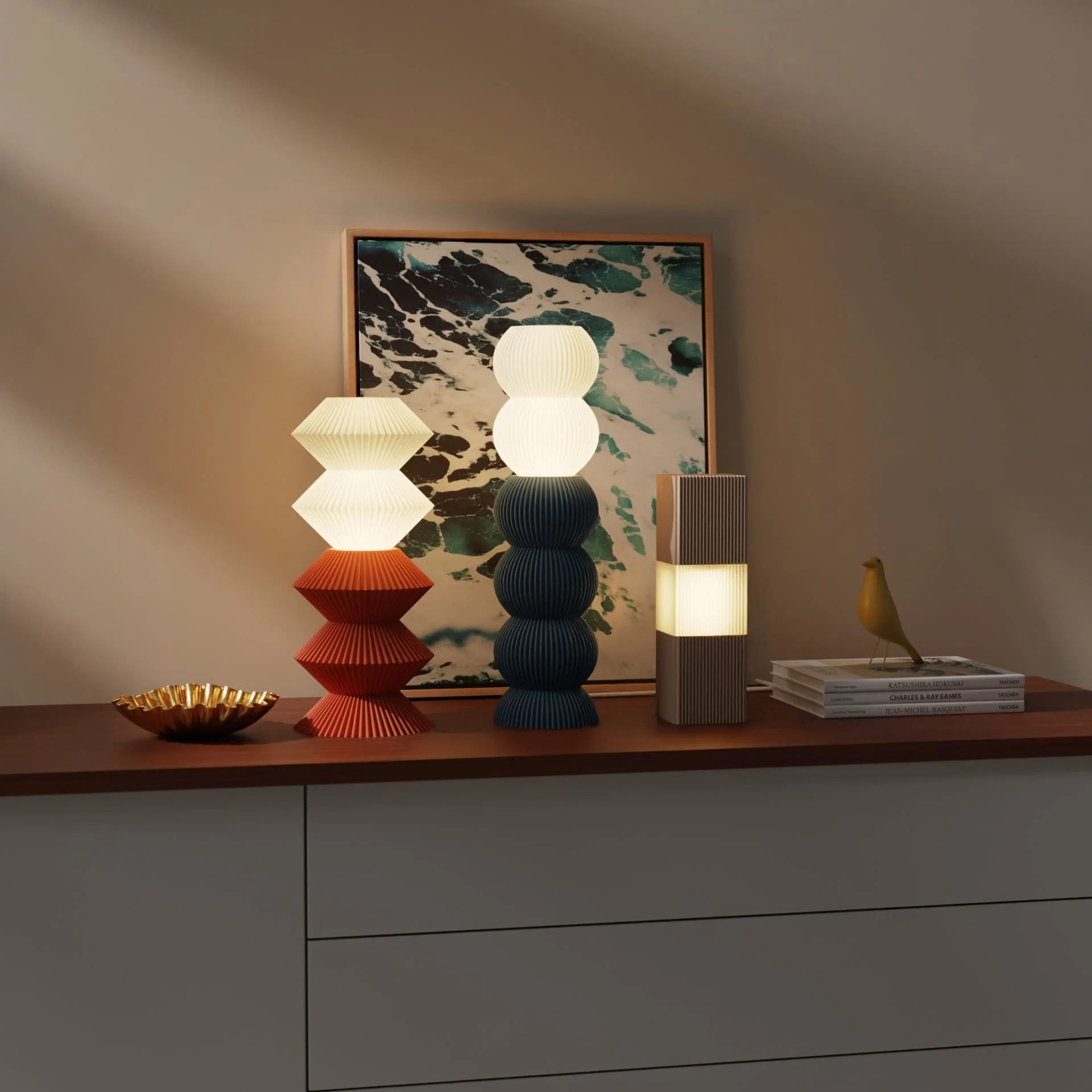
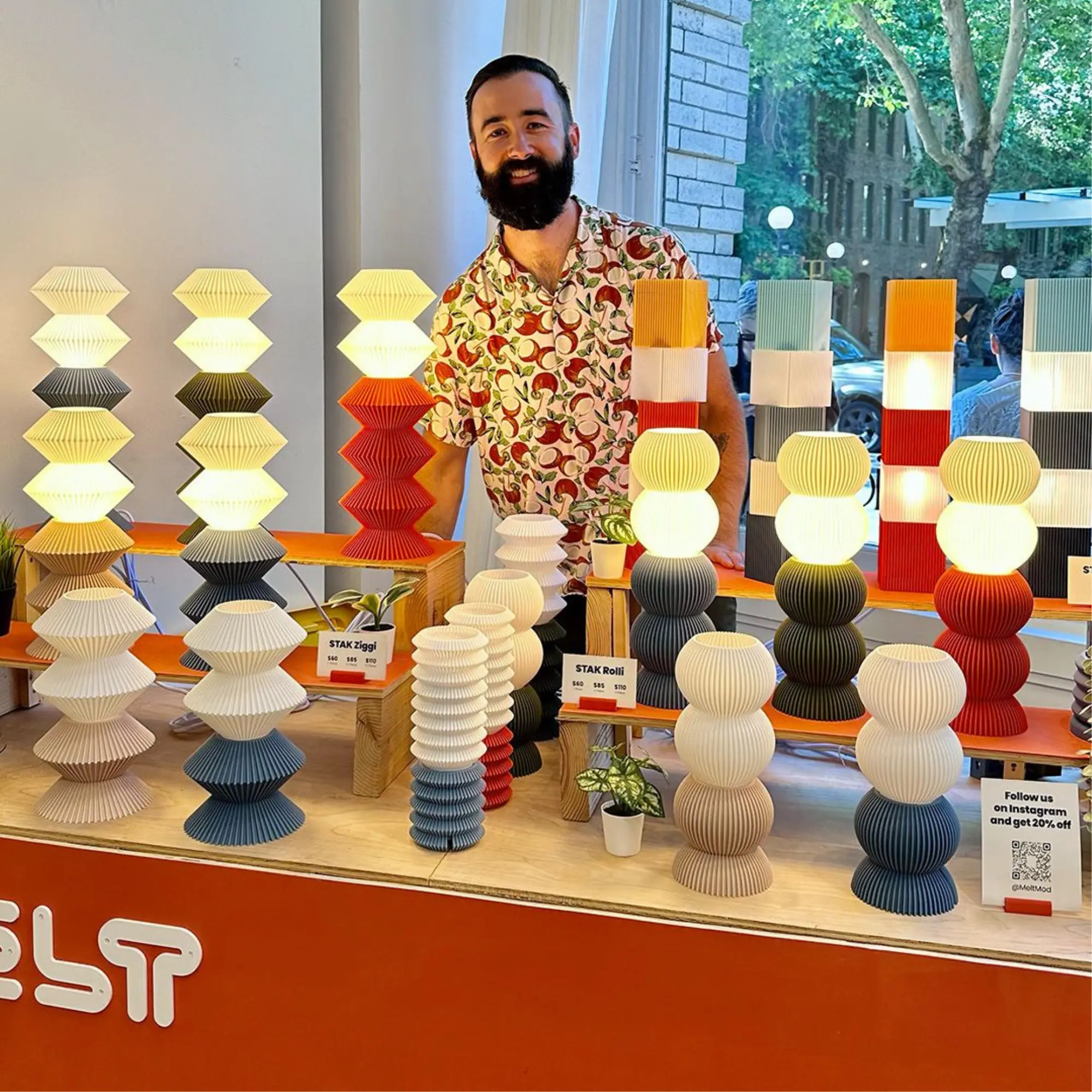
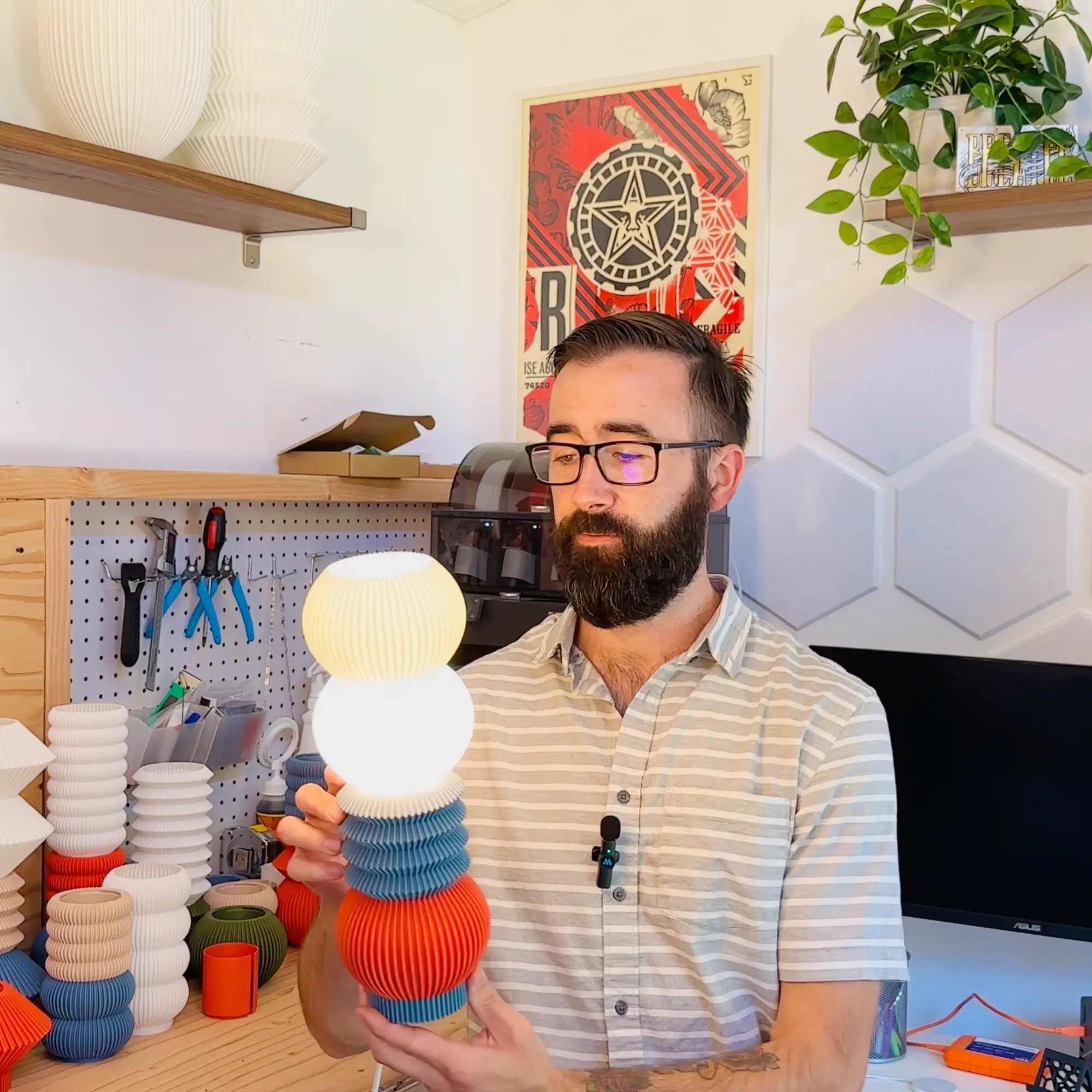
Melt Mod creates bold, geometric lamps that are 3D printed on demand from plant-based PLA. Every piece is made only after it's ordered — no warehouse, no inventory, and no compromises on design. We sat down with Neil to talk about turning a modular design experiment into a real brand, launching on Kickstarter with an audience already waiting, and why knowing exactly why you're building matters more than knowing what.
The Product and Audience: What is Melt Mod and who is it for?
Melt Mod creates bold, geometric lamps that are 3D printed on demand using plant-based PLA. Instead of producing inventory that sits in warehouses, every lamp is printed only after it's ordered, reducing waste while giving customers something uniquely crafted. The brand is designed for people who appreciate thoughtful interiors and modern design but don't want to settle for generic mass-market décor or pay boutique-level prices.
Join thousands discovering the next big brands before they blow up. Get full access to our in-depth reviews and guides.
No spam, unsubscribe anytime. We respect your privacy.
The Spark: When did you launch, and what made you say "I need to build this"?
I've always been fascinated by modular design. While experimenting with 3D-printed shapes in my apartment, I realized I could create a lamp system where individual pieces stack and lock together. That simple concept unlocked endless design possibilities without requiring expensive molds or manufacturing tools. What started as a creative experiment quickly became the foundation for Melt Mod.
The Launch: When did you launch and how did you create pre-launch buzz?
Melt Mod officially launched on Kickstarter in October 2024. Before asking anyone to back the project, I spent several months building landing pages, collecting reservations, growing my social media audience, and running Meta ads. I also reached out to design publications like Design Milk and TrendHunter, earning early press coverage that helped build credibility before launch. By the time Kickstarter went live, an audience was already waiting.
The First 100: How did you find your first customers?
The first wave of customers came directly from Kickstarter. Many had followed Melt Mod throughout the pre-launch journey and were ready to support the project the moment it launched. After Kickstarter, the momentum continued through Instagram, where customers naturally shared photos of the lamps, helping introduce the brand to even more design enthusiasts.
The Advice: What would you tell a first-time founder in their first 90 days?
Know exactly why you're building your business. Having a clear purpose makes every decision easier, especially when you're wearing every hat yourself. In the early days, countless opportunities will compete for your attention. The key is protecting your time and focusing only on the few things that truly move the business forward.
The Reality Check: What is the hardest part of this journey that people don't see on social media?
Most people only see the finished product. They don't see the late nights spent troubleshooting production, editing photos, learning new skills, or solving unexpected problems. As a solo founder, I've had to become a photographer, marketer, customer support representative, and manufacturer all at once. Behind every polished product is a lot of trial and error.
The Milestone: What has been your biggest "we made it" moment so far?
I still don't feel like I've "made it." But two moments stood out — receiving my first wholesale order and being invited to sell at a Seattle design market proved that people outside my personal network genuinely valued what I'd built. Those milestones made Melt Mod feel like more than just a personal project.
The AI Trend: How have you used AI to help your business grow?
I primarily use AI to speed up copywriting, website planning, and advertising. Rather than publishing AI-generated work directly, I treat it as a first draft that always gets rewritten before customers see it. I've also experimented with AI-generated product imagery, though accurately recreating the geometry of my modular lamps remains a challenge. For Melt Mod, AI is a productivity tool, not a replacement for creative judgment.
The Horizon: What should we be excited to see from Melt Mod in the next six months?
Melt Mod is expanding beyond lighting. I plan to introduce new lamp designs alongside home accessories like vases and trays. I'm also refreshing the brand's social media strategy with limited-edition drops, weekly promotions, giveaways, and more opportunities for the design community to engage with the brand.
The Recommendations: What are your favorite under-the-radar brands right now?
Tech: Teenage Engineering
Gear: wontek
The Shop: Where can readers find Melt Mod?
Shop directly at meltmod.com.
The Connection: Where is the best place to follow along?
Follow along on Instagram at @meltmod, or visit meltmod.com.