
LimX Oli Humanoid Robot
A 31-degree-of-freedom humanoid built for real-world AI research, not just demos. Price TBD.
Last Updated: June 2026
TL;DR
- Oli stands 165cm tall with 31 DoF distributed as 2 in the head, 7 per arm, 3 in the waist, and 6 per leg, with independent processors handling motion control and perception separately to prevent bottlenecks during algorithm development.
- The sensor suite includes a self-developed 6-axis IMU with enhanced anti-interference, head and chest depth cameras, USB, Ethernet, and power interfaces, with optional LiDAR and additional camera support for expanded configurations.
- Developer support covers Python, a modular SDK, open upper and lower level APIs, URDF files, and the three major robotics simulators, enabling teams to move from simulation to real hardware faster than most competing platforms allow.
The LimX Oli is a 165cm full-size general-purpose humanoid robot with 31 degrees of freedom across head, arms, waist, and legs, a dual compute platform separating motion control and perception, a self-developed 6-axis IMU, head and chest depth cameras, quick-swap battery, modular design, and full developer support including Python, modular SDK, open APIs, URDF files, and compatibility with NVIDIA Isaac Sim, MuJoCo, and Gazebo. If your work involves embodied AI research, robotic manipulation, or autonomous navigation and you need a human-scale platform to develop on rather than just observe, Oli is one of the most capable open research humanoids available in 2026.
LimX Oli at a Glance
- Height: 165cm (approximately 5ft 5in)
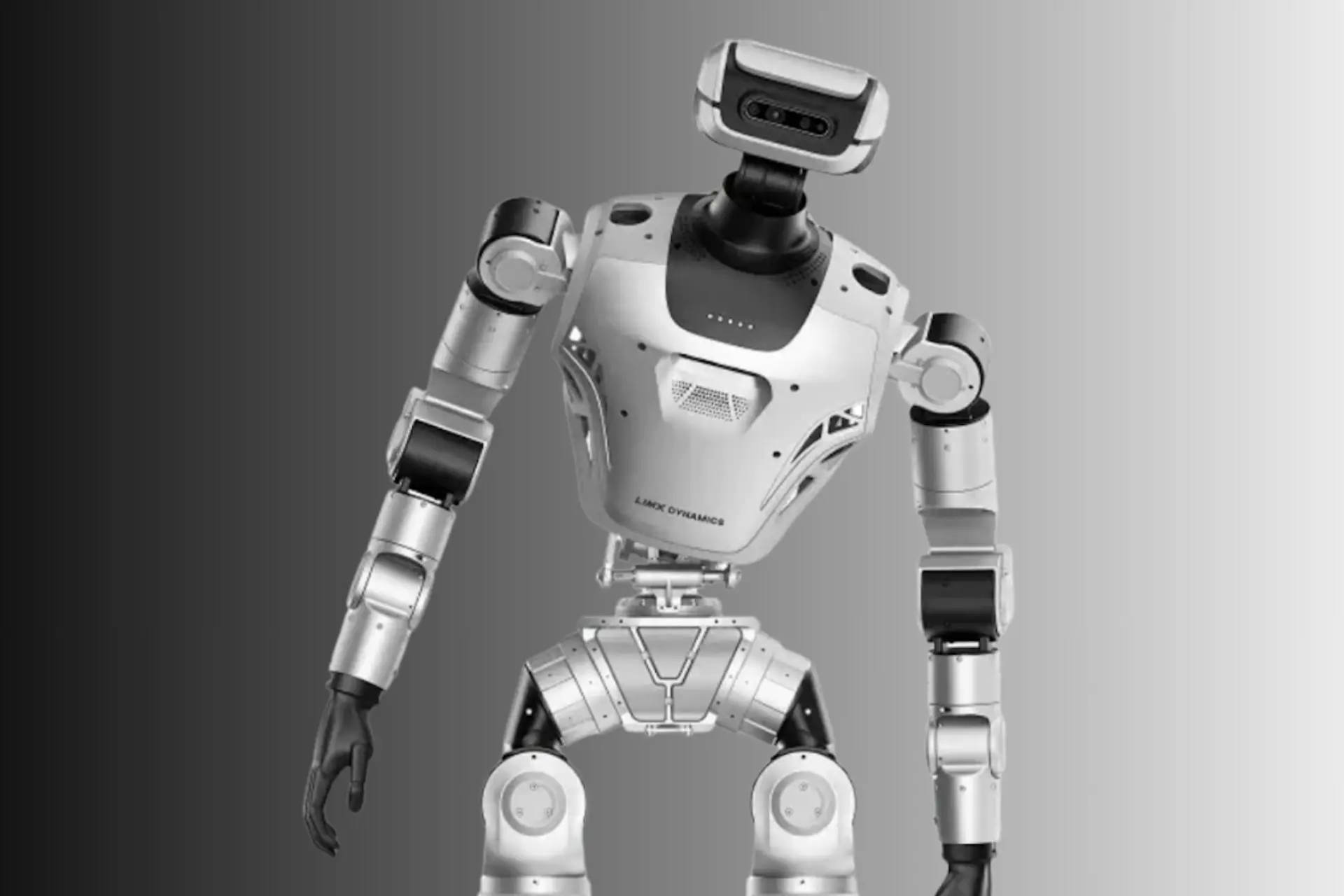
- Degrees of Freedom: 31 total (Head: 2, Single Arm: 7, Waist: 3, Single Leg: 6)
- Compute: Dual processor platform, separate motion control and perception
- IMU: Self-developed 6-axis with enhanced anti-interference
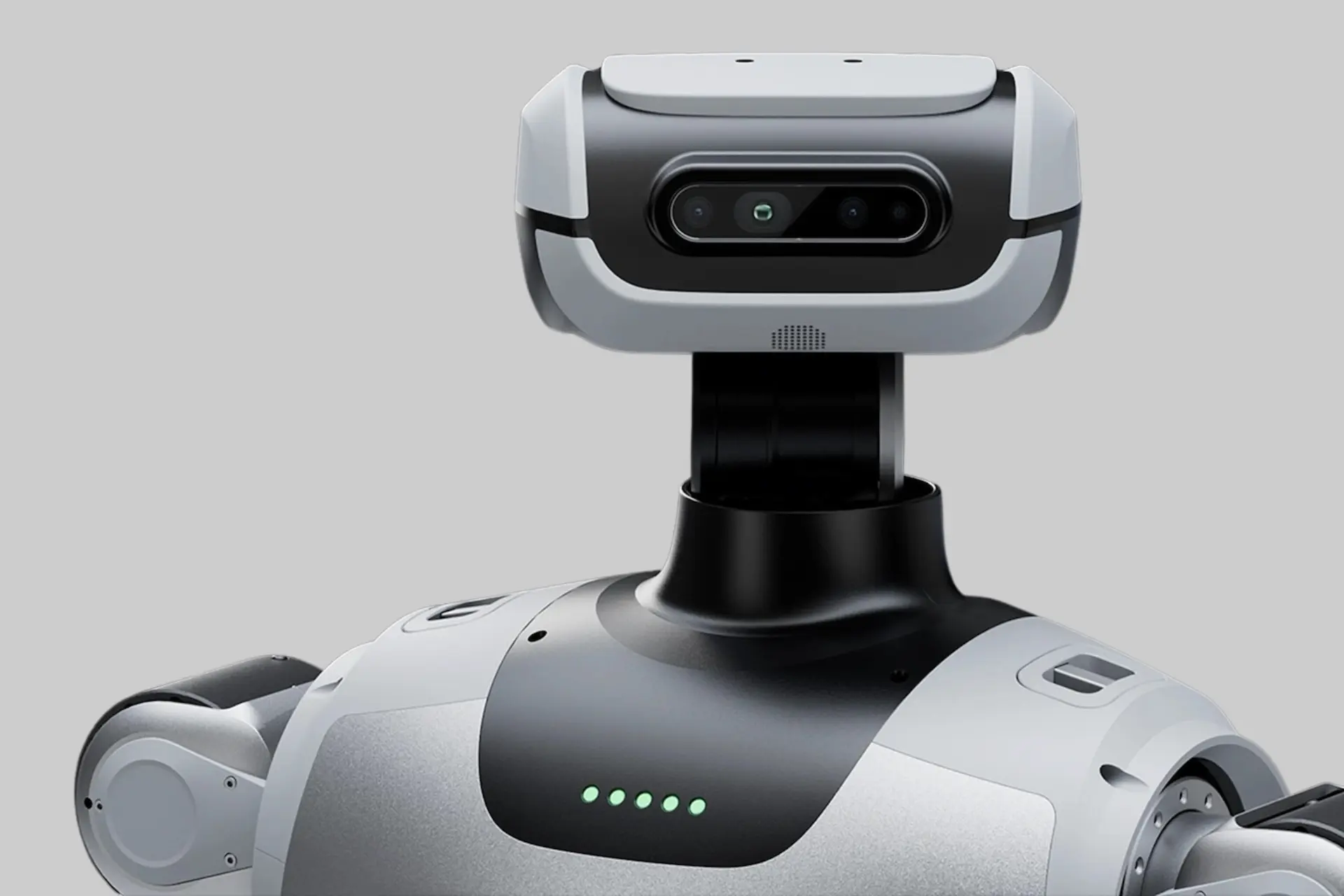
- Cameras: Head-mounted depth camera, chest-mounted depth camera
- External Interfaces: USB, Ethernet, Power
- Optional Sensors: LiDAR, additional cameras
- Battery: Quick-swap, no tools required
- Simulation Support: NVIDIA Isaac Sim, MuJoCo, Gazebo
- Development: Python, modular SDK, open APIs, URDF
- Walking Speed: Up to 5 km/h
- Max Single-Arm Payload: 3 kg
- Battery Life: Approximately 2 hours
- Price: Not publicly disclosed
- Best For: Embodied AI research, robotics development, university labs, enterprise autonomy teams
What Is LimX Oli?
Oli is a full-size general-purpose humanoid robot developed by LimX Dynamics for researchers, developers, and enterprise teams working on embodied AI and real-world robotics applications. LimX Dynamics is a Chinese robotics company focused on embodied intelligence, and Oli represents their most advanced platform to date, built specifically to serve as a development substrate rather than a demonstration unit.
The distinction matters. Many humanoid robots exist primarily to show what is possible. Oli is designed around what you can build on it. The open SDK, the simulator compatibility, the dual compute architecture, and the modular hardware all reflect a product philosophy oriented toward the developer's workflow rather than the press release.
What Makes Oli Different?
The dual compute platform is the most technically meaningful differentiator. Independent processors handling motion control and perception separately means that developing a new perception algorithm does not create latency in the locomotion system, and vice versa. For researchers running complex algorithms in parallel, that architectural separation prevents the bottlenecks that make single-processor humanoid platforms frustrating to develop on under real workload conditions.
The self-developed 6-axis IMU with enhanced anti-interference is a sensor detail that matters in practice. IMU drift is one of the persistent challenges in humanoid locomotion, particularly during high-speed movement or on uneven terrain. LimX's decision to develop their own IMU rather than sourcing a commodity component reflects an investment in the foundational sensing reliability that research applications require.
The quick-swap battery and modular design address a practical research workflow problem. Long development sessions with humanoid robots are routinely interrupted by battery management. A tool-free battery swap reduces that downtime meaningfully, and the modular architecture allows hardware configurations to change between research sessions without requiring disassembly.
What Are the Key Specs and Features?
The 31 degrees of freedom are distributed to cover the full range of human-like motion: 2 in the head for gaze and neck movement, 7 per arm for reach and manipulation, 3 in the waist for bending and rotation, and 6 per leg for bipedal locomotion. That distribution allows Oli to perform whole-body movements including bending, squatting, reaching, and object manipulation rather than being limited to locomotion or arm motion independently.
The sensor baseline includes head and chest depth cameras for perception from multiple viewpoints simultaneously, with USB, Ethernet, and power interfaces for external connectivity. LiDAR and additional cameras are supported as optional additions, which allows research teams to configure the sensor suite for specific experimental requirements without being locked into a fixed hardware profile.
The simulation support across NVIDIA Isaac Sim, MuJoCo, and Gazebo is the developer ecosystem detail that most directly affects time-to-experiment. Teams can develop, train, and validate algorithms in simulation before deploying to physical hardware, and the URDF files allow the Oli model to be imported accurately into any of these environments. Python support and open upper and lower level APIs give developers access to both high-level task control and low-level motion primitives depending on what the research requires.
How Does Oli Compare to Other Humanoid Platforms?
The humanoid robotics space in 2026 includes platforms from a growing number of well-funded companies. Most of the prominent ones remain closed ecosystems where the hardware is available but the software stack is proprietary and the development interfaces are limited. Oli's emphasis on open APIs, multiple simulator support, and modular hardware configurations positions it toward the research and developer audience that benefits most from that openness.
The practical comparison for a research institution or robotics startup evaluating humanoid platforms is between a robot they can run demonstrations on and a robot they can actually build novel capabilities into. Oli is designed to be the latter, which is a smaller but more serious market than consumer or industrial deployment at this stage of the technology.
Best Ways to Use LimX Oli
The platform is most valuable in contexts where the humanoid form factor itself is the research variable. Embodied AI experiments that require a robot to interact with human-scale environments, objects, and infrastructure benefit from Oli's 165cm height and full-body DoF distribution in ways that arm-only or wheeled platforms cannot replicate. Manipulation research requiring both locomotion and dexterous arm control can be developed as integrated whole-body behaviors rather than being separated across different hardware.
Teleoperation research, human-robot interaction studies, industrial inspection in human-designed facilities, and event guidance applications are all identified use cases. For any of these, the simulator-to-hardware workflow enabled by the SDK and URDF support reduces the time spent on hardware debugging and increases the time available for the actual research question.
Pros and Cons
- ✅ Full human-scale 165cm platform with 31 DoF for whole-body motion research
- ✅ Dual compute architecture separates motion control and perception to prevent development bottlenecks
- ✅ Self-developed 6-axis IMU with enhanced anti-interference for reliable locomotion sensing
- ✅ Quick-swap battery and modular design for reduced downtime in research sessions
- ✅ Open APIs, Python support, URDF files, and compatibility with NVIDIA Isaac Sim, MuJoCo, and Gazebo
- ✅ Configurable sensor suite with optional LiDAR and additional cameras
- 🟡 Pricing not publicly disclosed, requiring direct inquiry for budget planning
- 🟡 Approximately 2-hour battery life limits continuous operation sessions
- 🟡 3 kg single-arm payload is modest relative to industrial manipulation requirements
- 🟡 Designed for institutions and development teams rather than individual buyers
Who Is LimX Oli Best For?
- University robotics and AI labs: A human-scale development platform for embodied intelligence research with the simulator support and open APIs that academic workflows require.
- Embodied AI research teams: A robot body that can serve as a testbed for perception, locomotion, and manipulation algorithms in integrated whole-body configurations.
- Robotics startups: Hardware to develop autonomous behavior on before commercial humanoid platforms become accessible at scale.
- Industrial AI teams: Human-robot interaction research and inspection applications in human-designed environments where humanoid form factor is functionally relevant.
- Teleoperation developers: A full-DoF human-scale platform for developing and testing teleoperation interfaces and motion control systems.
Final Verdict: Is LimX Oli Worth It?
LimX Oli is not a robot for consumers or for organizations looking for a pre-packaged solution. It is a research platform for teams that need a human-scale robot body with the openness, sensor quality, and compute architecture to build serious capabilities into. The dual processor design, the self-developed IMU, the simulator compatibility, and the modular hardware all reflect a product built for the people who use it rather than the people who watch it in a demo video.
For the right buyer, which is a research institution, AI company, or serious robotics development team, Oli is one of the most complete open humanoid platforms available in 2026. The 2-hour battery life and undisclosed pricing are the practical friction points worth confirming directly with LimX before committing. Everything else about the platform reflects a thoughtful engineering approach to a hard problem.
About Previewer
Previewer is an independent product discovery platform featuring honest, in-depth reviews of emerging and noteworthy brands across technology, gear, wellness, and lifestyle. Every product we feature is selected on merit, and our reviews are written to help real people make informed decisions, not to push a sale. If a brand is featured here, it's because we think it's worth your attention.